
David Brainerd – Man of Prayer and Mission
David Brainerd (1718 – 1747) was a Presbyterian missionary to the Seneca and Delaware Indians of New York, New Jersey, and Pennsylvania (1744–47). He gained posthumous fame through the publication of his diary by Jonathan Edwards, the Massachusetts religious philosopher.
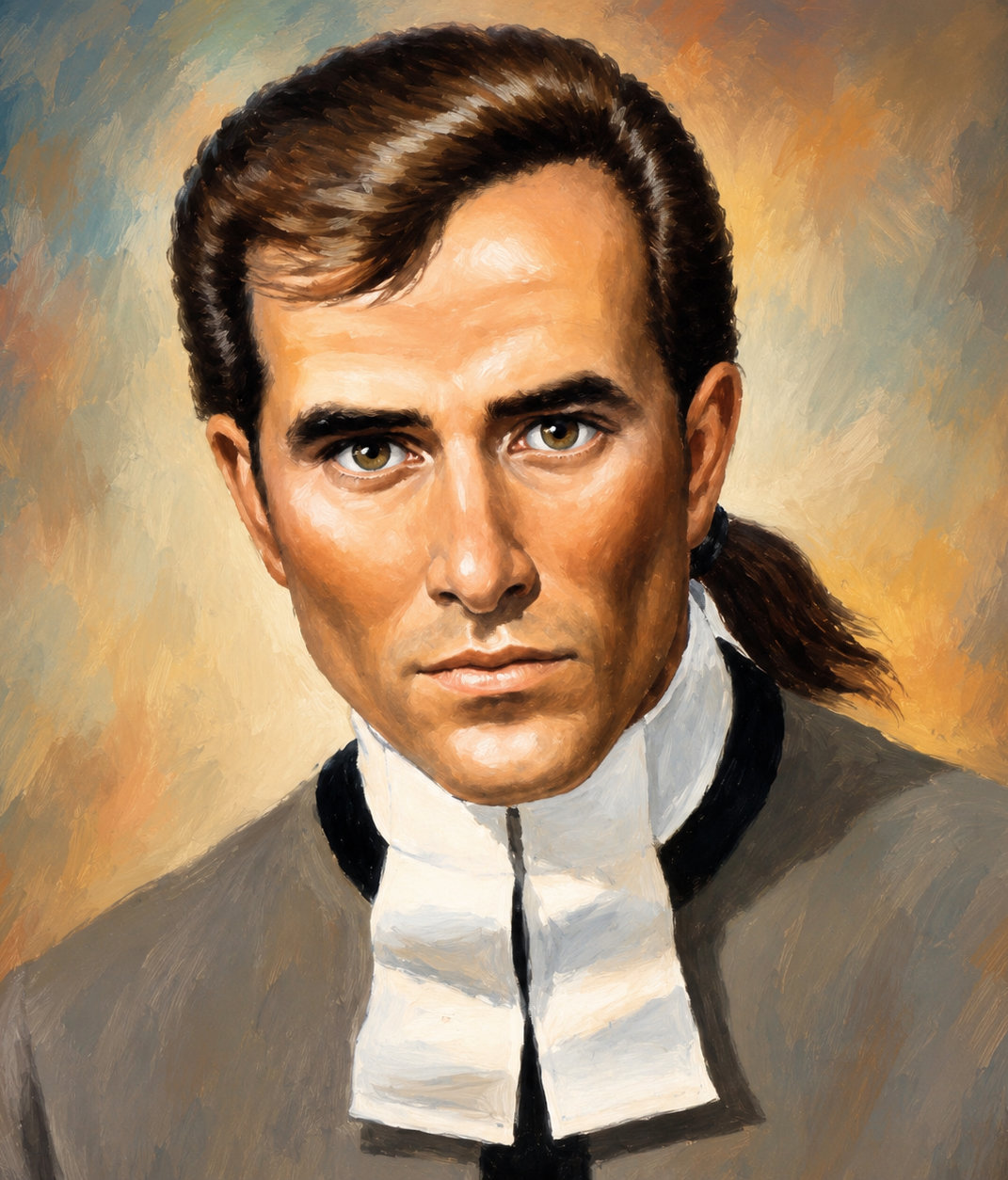
David Brainerd (1718 – 1747)
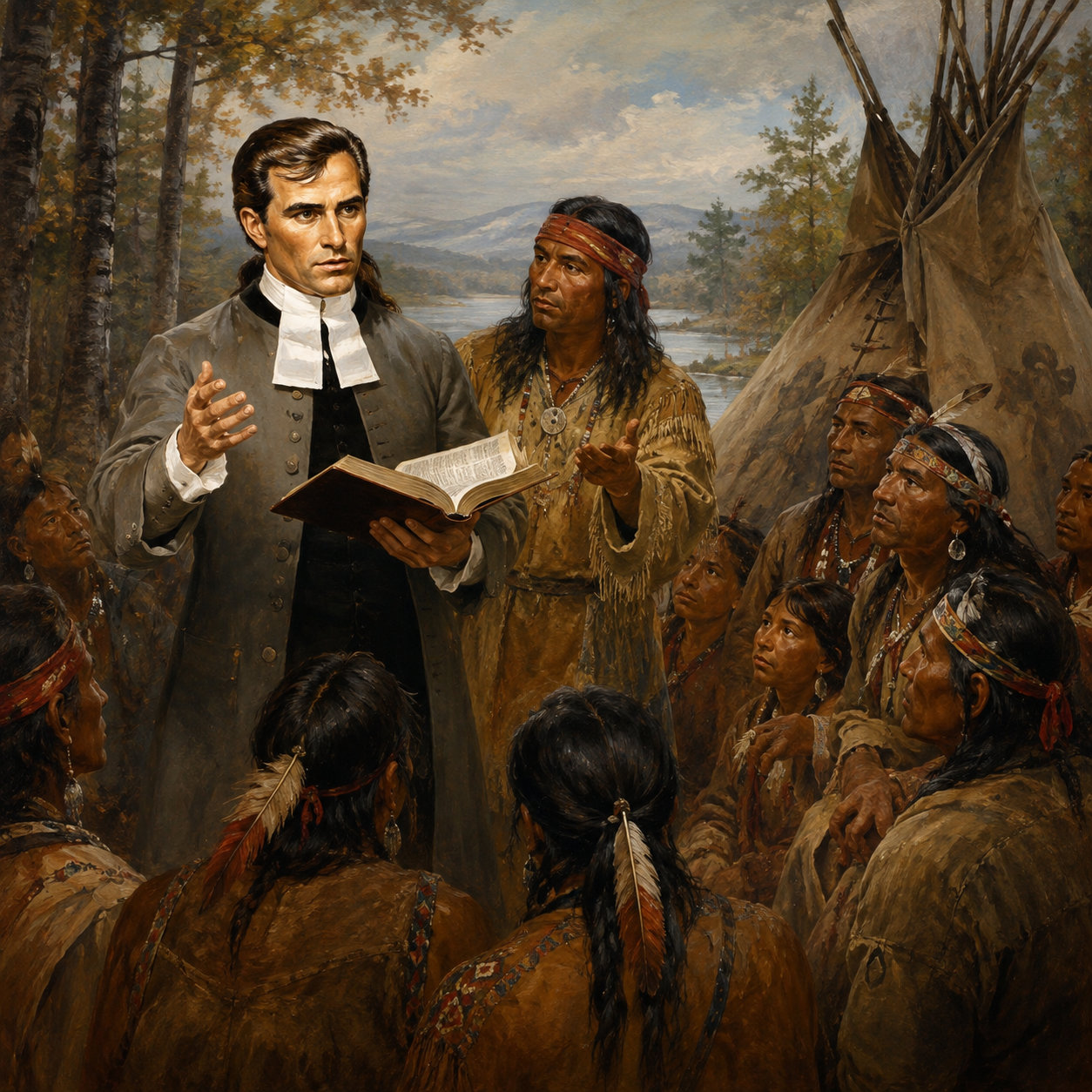
Brainerd was ordained as a Presbyterian minister on June 12, 1744, at Newark, N.J. As a missionary, he was employed by the Honourable Society in Scotland for Propagating Christian Knowledge. He preached through an interpreter, Moses Tinda Tautamy, working among the Delawares, the Six Nations, the Senakes (probably Senecas), and Tutelas. He rode horseback along the Susquehanna and Delaware rivers, camping at night, his only home a cabin at the forks of the Delaware.
A great missionary once said that ‘the spirit of Christ is the spirit of missions, and the nearer we get to Him the more intensely missionary minded we become’. The reason David Brainerd was intensely missionary minded was because he was filled with this very spirit of Christ. He truly love Christ and lived and worked for Him continuously. He was overwhelmed with the missionary spirit and he never lost it.
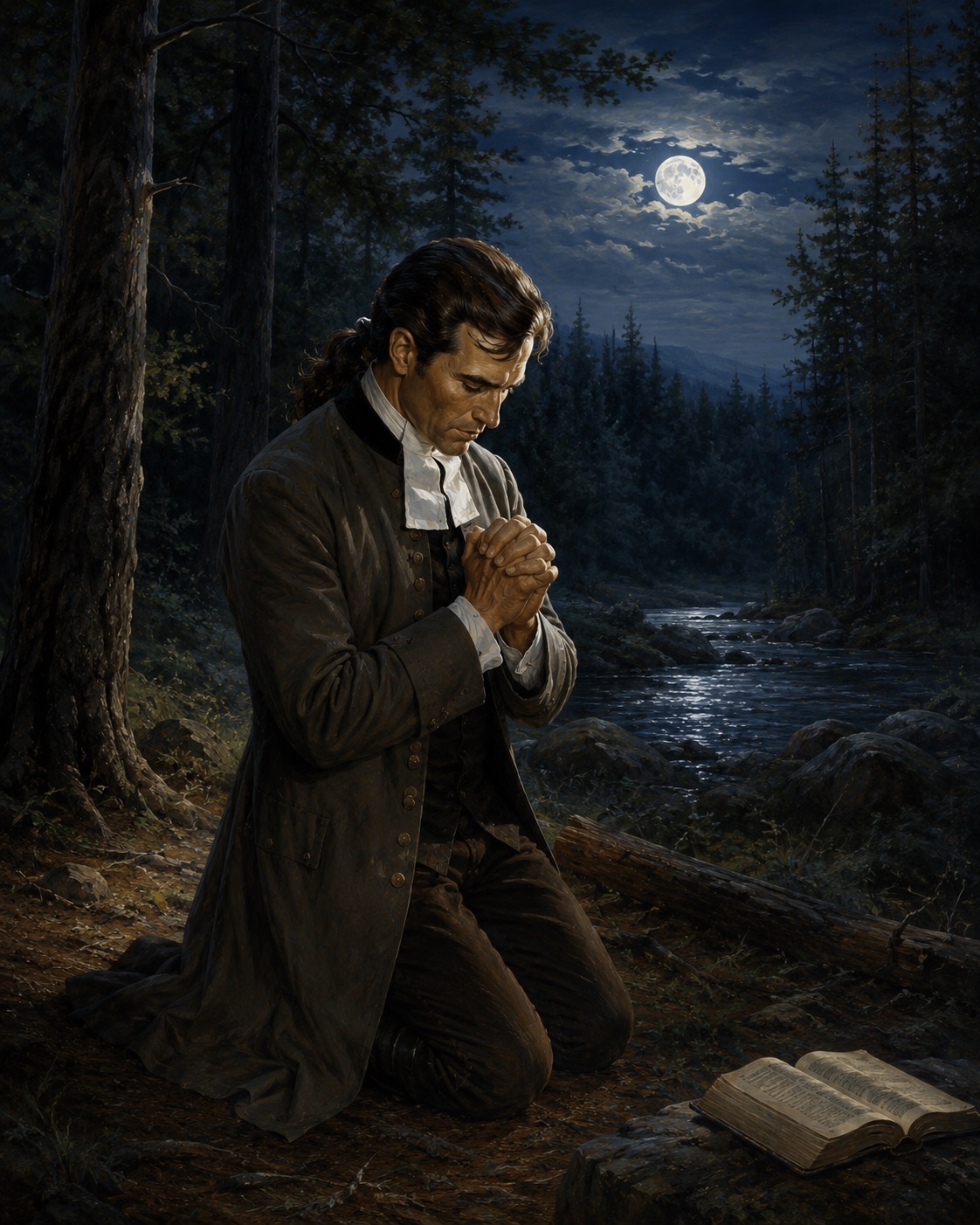
David Brainerd did his greatest work by praying and weeping in secret. He spent many days in forests all alone, unable to speak the language of the pagan and savage Indians. He spent whole days in prayer, asking that the Holy Spirit might use him so effectively that the Indians would not be able to refuse the Gospel. On hearing that the Indians were about to hold an idolatrous feast and dance, he spent a day and night in prayer. In his diary he wrote about it:
This morning about nine I withdrew to the woods for prayer. I wrestled for an ingathering of souls. I was in such anguish that when I arose from my knees I felt extremely weak and overcome. Sweat ran down my face and body . . . I cared not how or where I lived, or what hardships I went through, so that I could but gain souls for Christ.
He frequently suffered because of the lack of food and cold, or because he was caught in storms with no shelter. He was constantly in danger from wild animals and savages. He recorded one incident with the following words:
About six at night I lost my way in the wilderness, and wandered over rocks and mountains, through swamps and most dreadful places. I was pinched with cold and distressed with an extreme pain in my head and stomach, so that much blood came from me. But God preserved me, and blessed be His name, such fatigues and hardships as these seem to wean me more from the earth and I trust will make heaven the sweeter.
Due to the working of Holy Spirit many Indians would be in tears as they listened to him preach about Christ. One of the Indians who had intended to murder said to his chief, ‘The paleface is a praying man. The Great Spirit is with him . . . and he brings a wondrous sweet message’.
Expressing his love for the lost souls Brainerd wrote:
I care not where I go, or how I live, or what I endure so that I may save souls. When I sleep I dream of them; when I awake they are first in my thoughts – no amount of scholastic attainment, of able and profound exposition, of brilliant and stirring eloquence can atone for the absence of a deep impassioned sympathetic love for human souls.
His commitment to prayer and fasting. Brainerd spent whole days in prayer, or prayed six times in the day, also seeking out others with whom to pray. He prayed “for his own sanctification, for the conversion and purity of his Indians, for the advancement of the kingdom of Christ around the world, for guidance for the next steps of ministry.” When he was dying, he urged other young ministers to engage in frequent days of prayer and fasting because of how effective he himself proved it to be.
Although David Brainerd served as a missionary for only about four years and died at the age of 29, his ministry produced remarkable results. Among the Native Americans, a strong Christian community emerged; by the end of his active ministry he had baptized 43 adults whom he regarded as showing credible evidence of conversion, while the total number baptized, including children, reached about 77. His success was closely associated with persistent preaching, personal sacrifice and extraordinary periods of earnest prayer.
Yet Brainerd’s greatest missionary influence may have come after his death. Jonathan Edwards published his diary and biography, and Brainerd’s life of prayer and complete devotion to Christ inspired generations of Christians to missionary service.
Among those strongly influenced by Brainerd were:
- William Carey — pioneer missionary to India and a major figure in the modern Protestant missionary movement.
- Henry Martyn — reading Brainerd helped persuade him to abandon his intended legal career and become a missionary to India and Persia.
- Jim Elliot — missionary martyr in Ecuador, whose own writings reveal how Brainerd’s diary stirred him toward deeper prayer and missionary devotion.
- Robert Murray M‘Cheyne — said Brainerd’s example made him “more set upon missionary enterprise than ever.”
- David Livingstone — the famous missionary and explorer of Africa was also among those influenced by Brainerd’s example.
Thus, Brainerd’s life demonstrates that the effectiveness of missionary work cannot be measured merely by its length. His few years of prayer, sacrifice and evangelism not only changed lives among Native Americans but helped ignite missionary devotion in generations that followed.