
Miracles in Bangladesh – Dr Milan Moskala
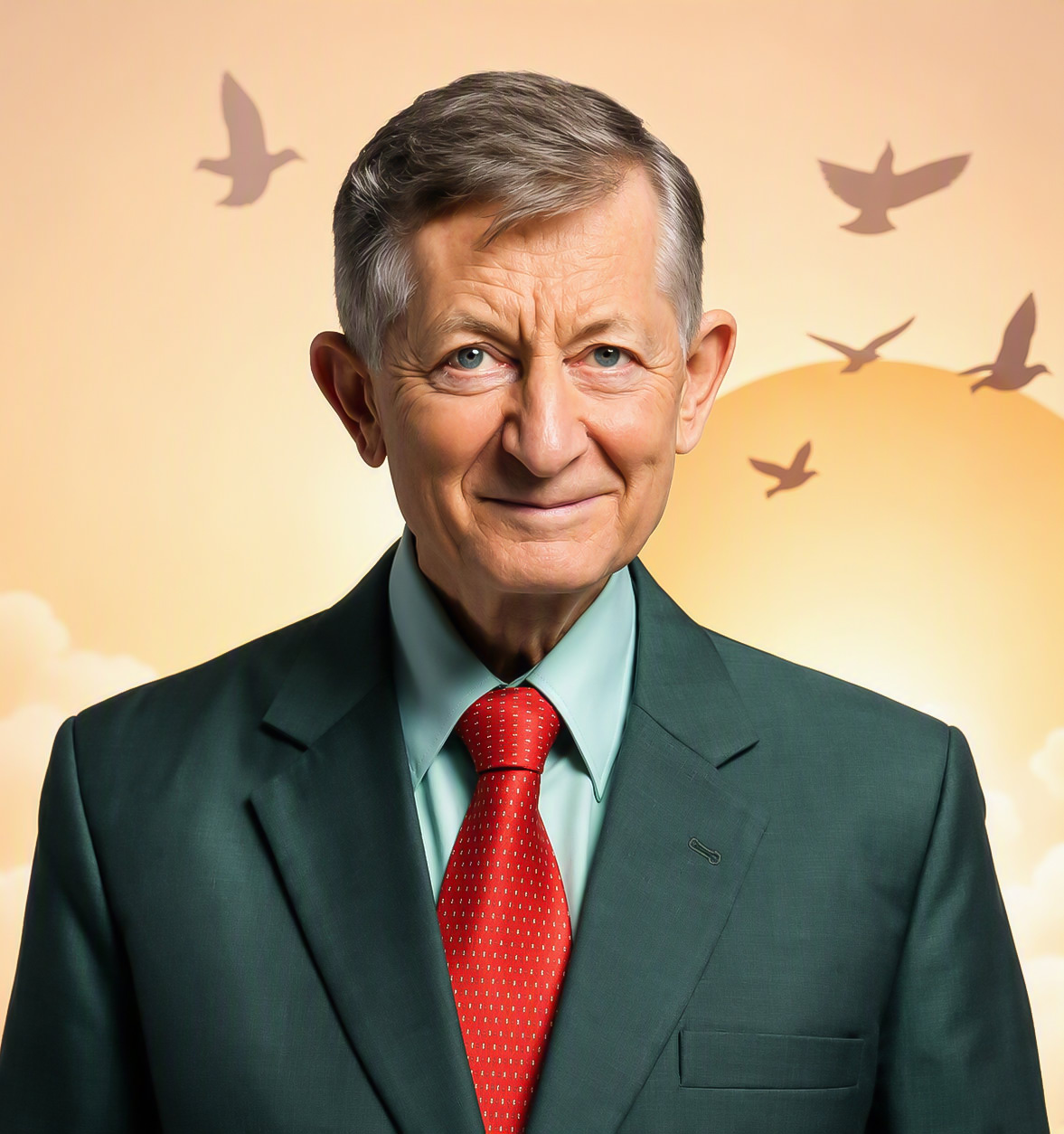
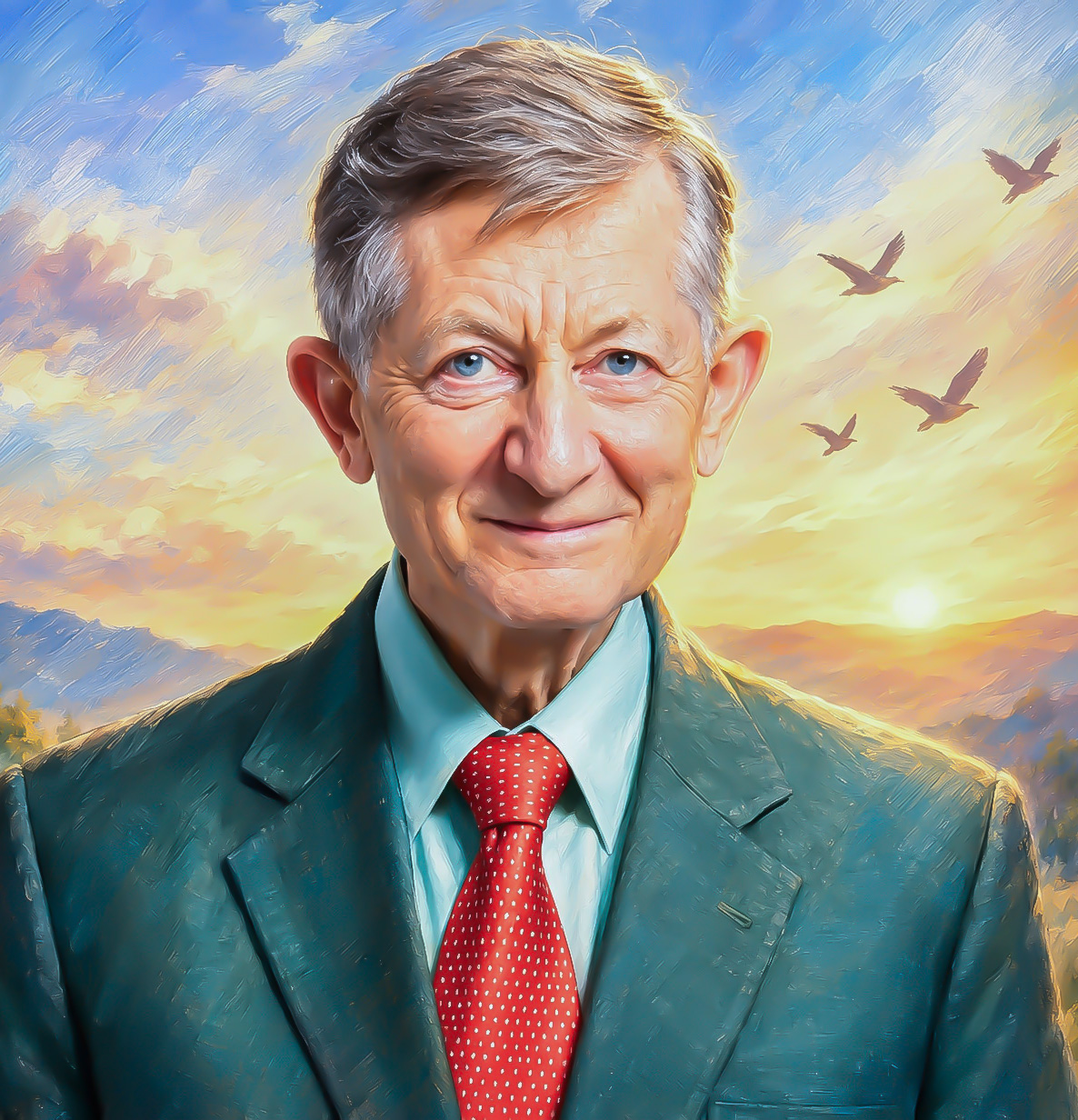
Dr Milan Moskala (1949 -) is a Czech dentist and pastor, Seventh-day Adventist missionary and humanitarian whose ministry has brought medical care, education, food and the Gospel to some of the poorest communities in Bangladesh.
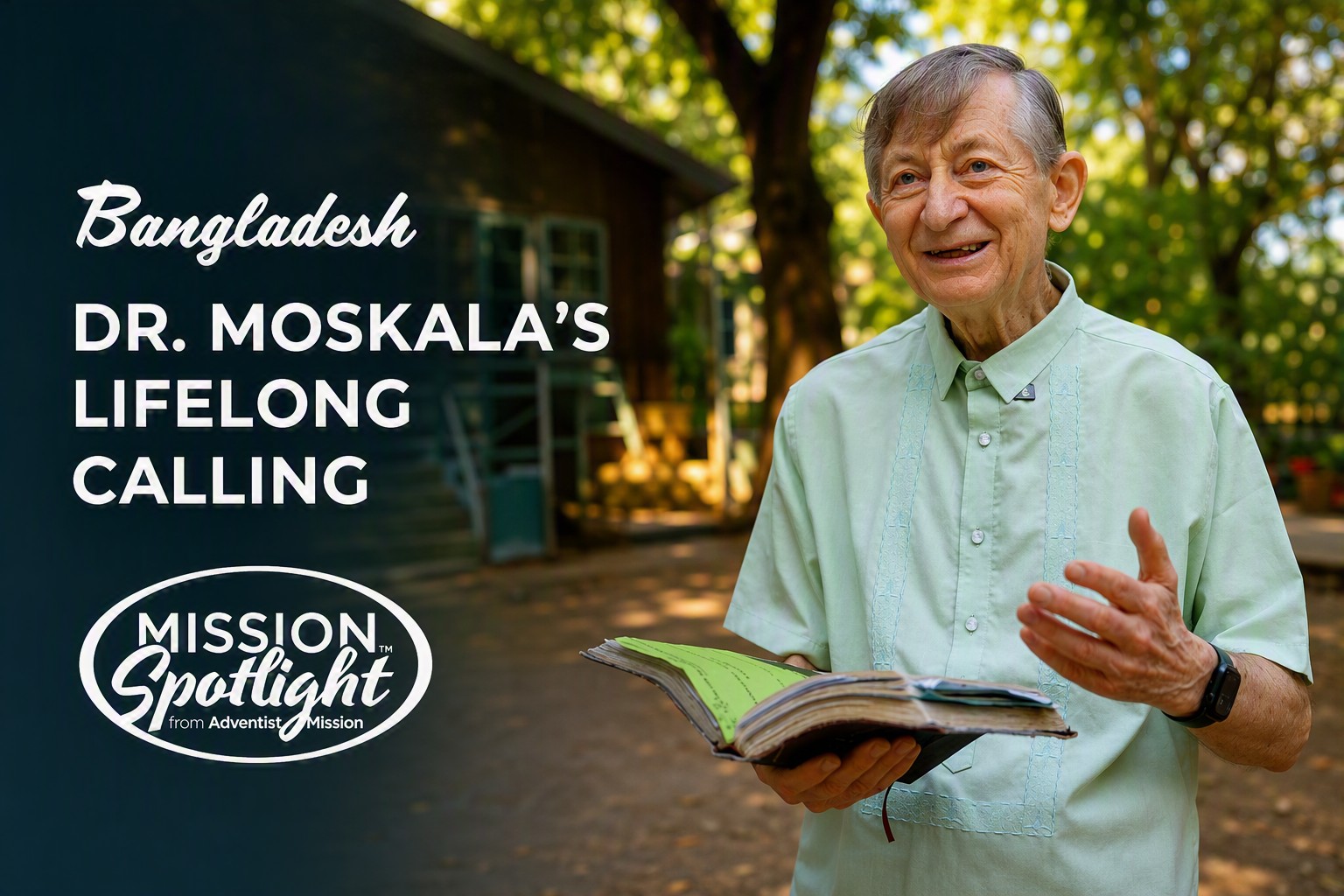
His missionary service extended far beyond dentistry. During his many years in Bangladesh, he helped establish schools for impoverished children, organised feeding programmes, provided free medical and dental care, supported churches, participated in evangelistic work and assisted families who had no reliable means of earning a living.
Through these experiences, Dr Moskala became convinced that God still answers prayer and intervenes in human lives. He has shared remarkable testimonies of healing, protection and spiritual transformation witnessed during his ministry.
Childhood Desire to Become a Missionary
Milan Moskala’s desire to become a missionary began when he was still a child.
At approximately ten years of age, he heard a missionary who had served in Africa speak during a church service. As he listened, a desire arose in his heart to dedicate his own life to missionary service.
Many years passed before that childhood dream was fulfilled. He trained as a dentist and worked professionally in the Czech Republic, but the desire to serve people in other countries remained.
Dr Moskala later explained that faith was essential for missionary service because the difficult conditions could not be endured through human strength alone.
Mobile Dental Clinic in Bosnia
Dr Moskala’s first major opportunity for foreign missionary service came in 1996.
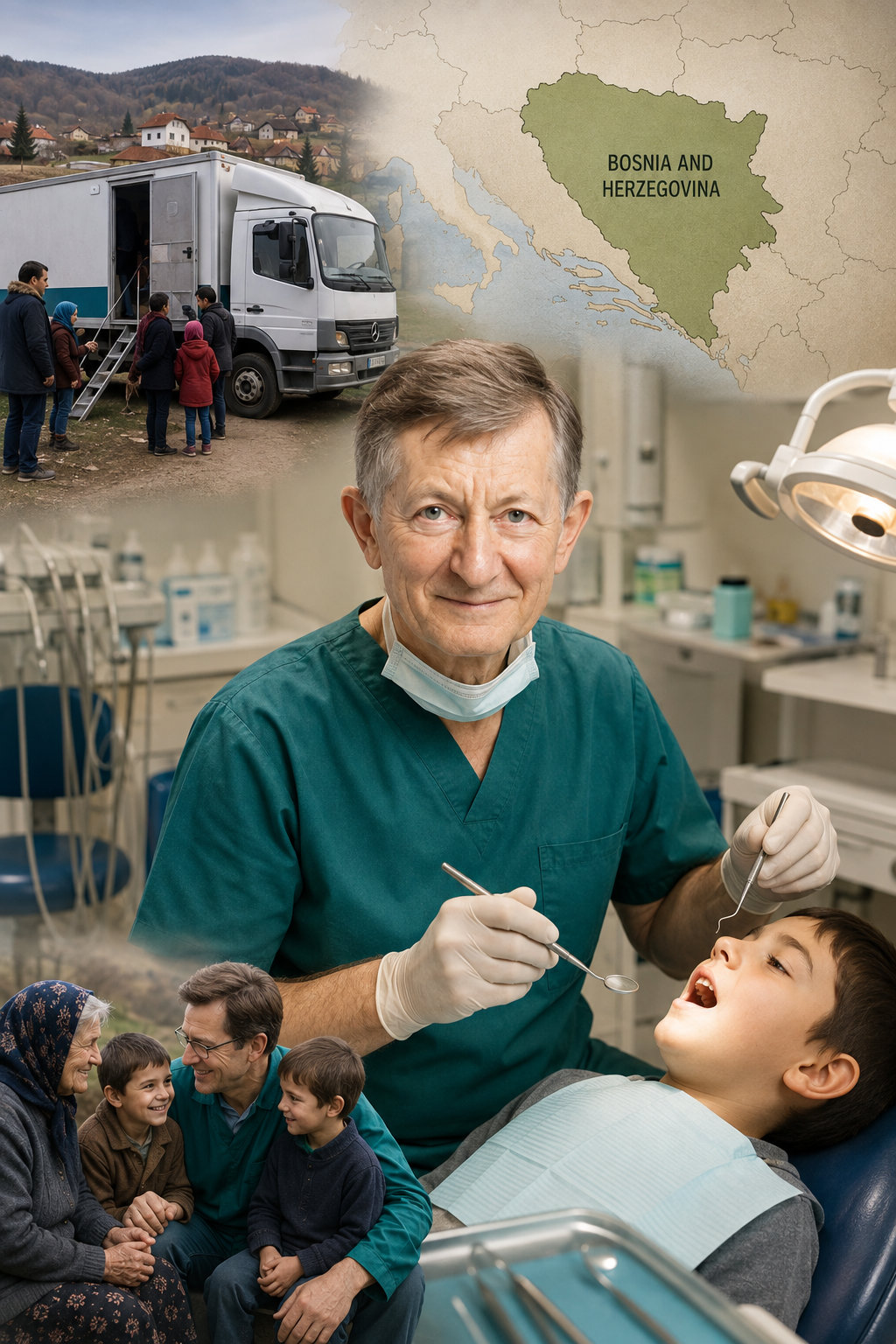
At that time, he was working at a dental clinic in Prague when the humanitarian organisation ADRA asked him to prepare a proposal for a mobile dental surgery in Bosnia and Herzegovina.
The country had been devastated by war, and many people had little access to proper medical or dental care. The proposed mission was initially expected to last only six months.
However, the need was so great that Dr Moskala and his colleagues continued travelling through Bosnia for approximately two years. They used a specially adapted lorry as a mobile dental clinic and brought treatment to communities affected by the conflict.
This experience prepared him for an even greater missionary calling.
Called to Bangladesh
After his service in Bosnia, Dr Moskala received an invitation from the Seventh-day Adventist Church to work at a dental clinic in Dhaka, the capital of Bangladesh.
He arrived in Bangladesh in 1998. His wife, Eva, who was a nurse, and their daughter Gabriela accompanied him.
The first six months were extremely difficult. The family had to adjust to an unfamiliar climate, overwhelming poverty, crowded streets, poor sanitation, insects, disease and the sight of suffering people whom others often passed without appearing to notice.
Hungry children begged in the streets, and some people were dying on the pavements.
Dr Moskala prayed and asked God what he should do.
Director of the Adventist Dental Clinic
From 1999 until 2015, Dr Moskala directed the Adventist Dental Clinic in Dhaka.
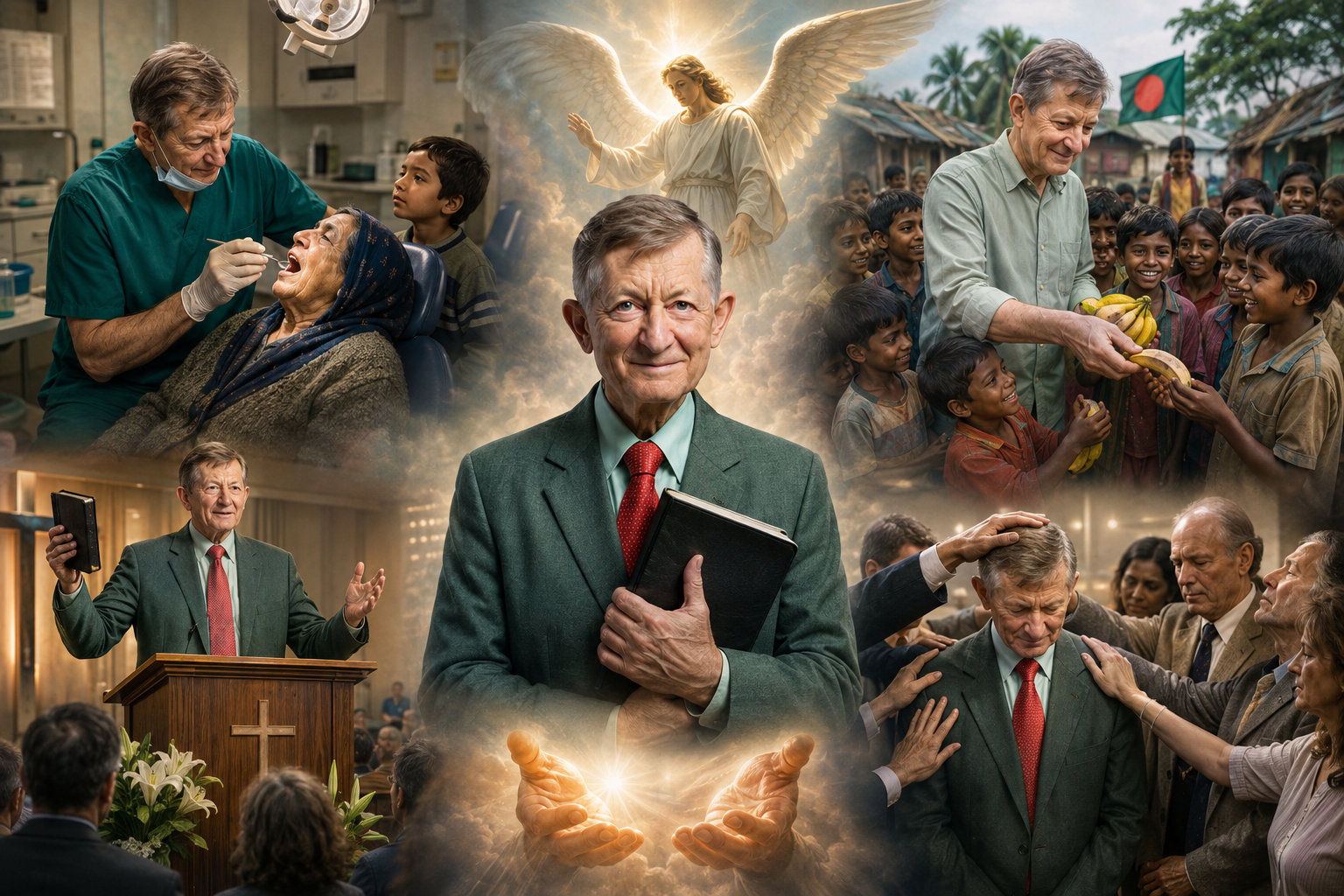
The clinic developed a strong professional reputation. During the working week, paying patients helped support its operation. At weekends, however, Dr Moskala and his colleagues travelled to poor villages and urban slums to provide free dental treatment.
In remote locations, proper dental chairs and equipment were not always available. Patients were sometimes treated while lying on an ordinary bed or sitting on a simple chair.
The missionaries also provided instruction about hygiene, clean water and disease prevention. Their work was not limited to teeth. They helped people with other health problems whenever they could. (Adventist Encyclopedia)
Feeding 102 Hungry Children
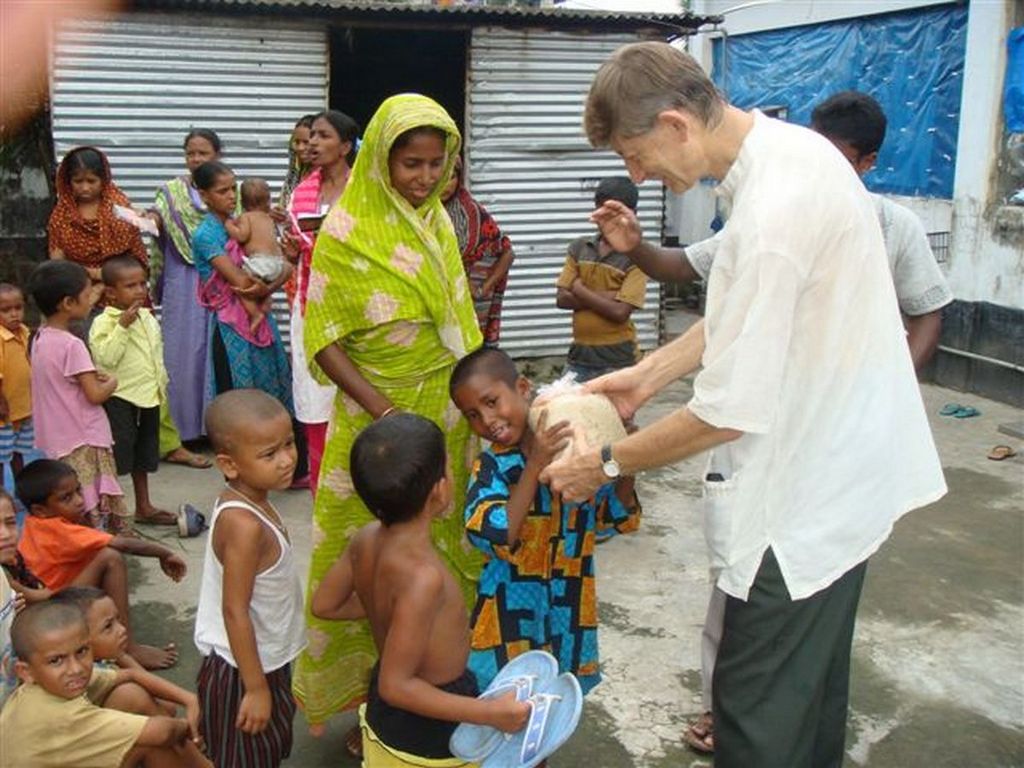
When Dr Moskala saw children begging for food, he felt that he could not ignore them.
The biblical account of Jesus feeding the hungry came strongly to his mind. He bought a twenty-kilogram bag of rice, obtained vegetables and asked members of the clinic staff to help prepare food.
Together, they cooked 102 meals.
However, when the food was distributed, the hungry children began fighting, and there was not enough for everyone. Dr Moskala’s initial joy was replaced by distress because he could not feed all those who were in need.
Instead of abandoning the idea, he continued developing the feeding programme. What began as one attempt to feed approximately one hundred children eventually became a long-term ministry.
Banana Project
Although the children were receiving rice and vegetables, many continued suffering from diarrhoea, vomiting, weakness and malnutrition.
Dr Moskala prayed again. “Lord, something is missing,” he said.
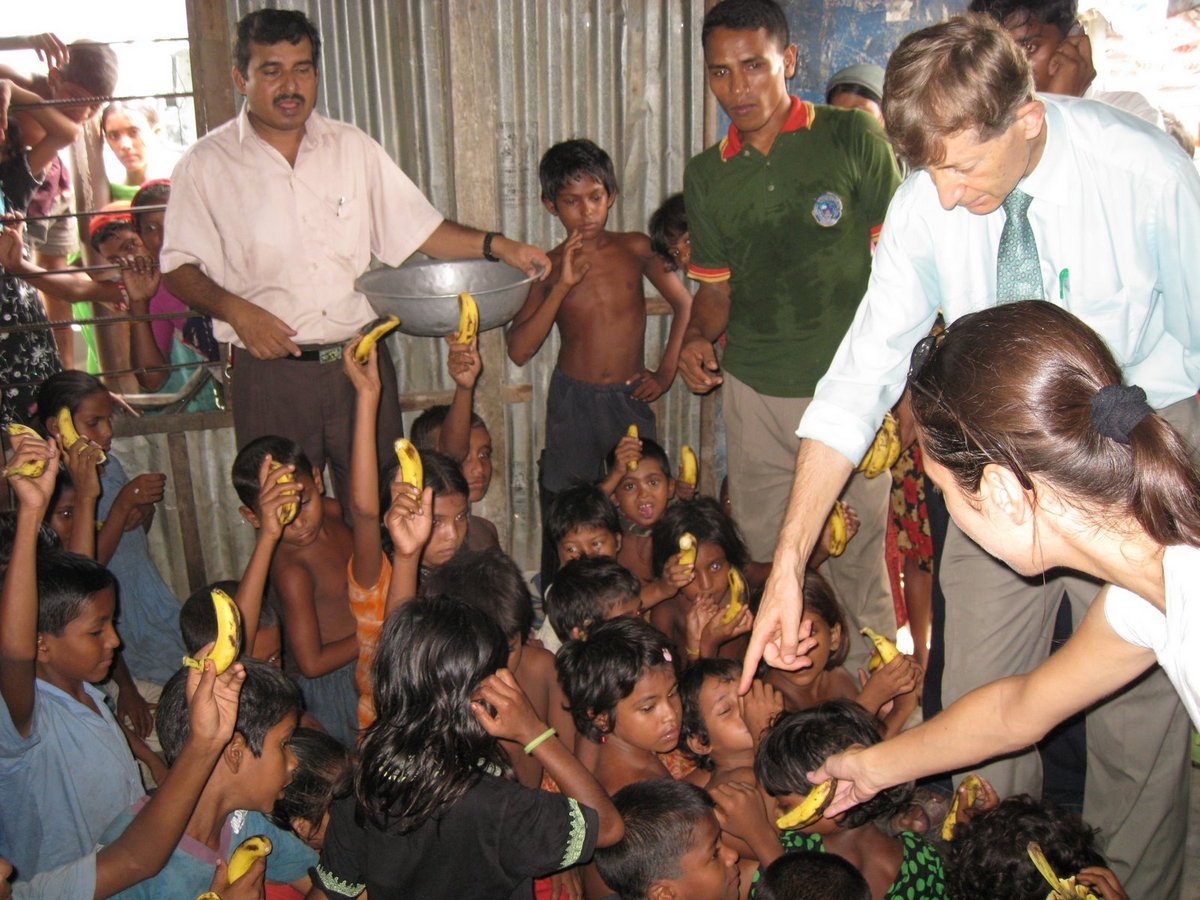
Then the thought came to him that the children needed fruit and vitamins. He decided to give them bananas.
The results appeared very quickly. According to Dr Moskala, the children became healthier, stronger and happier. Their parents began asking what the missionaries were doing to bring about such a visible improvement.
Dr Moskala explained that they were praying for the children, feeding them rice and giving each child one banana every day.
For more than 25 years, bananas continued to be provided to children attending the slum schools associated with his ministry. (Banglahelp)
Physical and Spiritual Bananas
Dr Moskala used the banana project to teach a simple spiritual lesson.
He said that human beings need two kinds of bananas: physical bananas and spiritual bananas.
A physical banana provides nourishment for the body. A promise from Jesus can be considered a “spiritual banana” because it nourishes faith and gives hope.
Just as the children benefited from receiving healthy food every day, every person needs to receive and trust the promises of Christ each day.
The daily banana therefore became more than a piece of fruit. It represented practical Christianity—meeting physical needs while also sharing the hope found in Jesus.
Schools for Children Living in the Slums
Dr Moskala understood that feeding children would relieve their immediate hunger, but education could help change the direction of their entire lives.
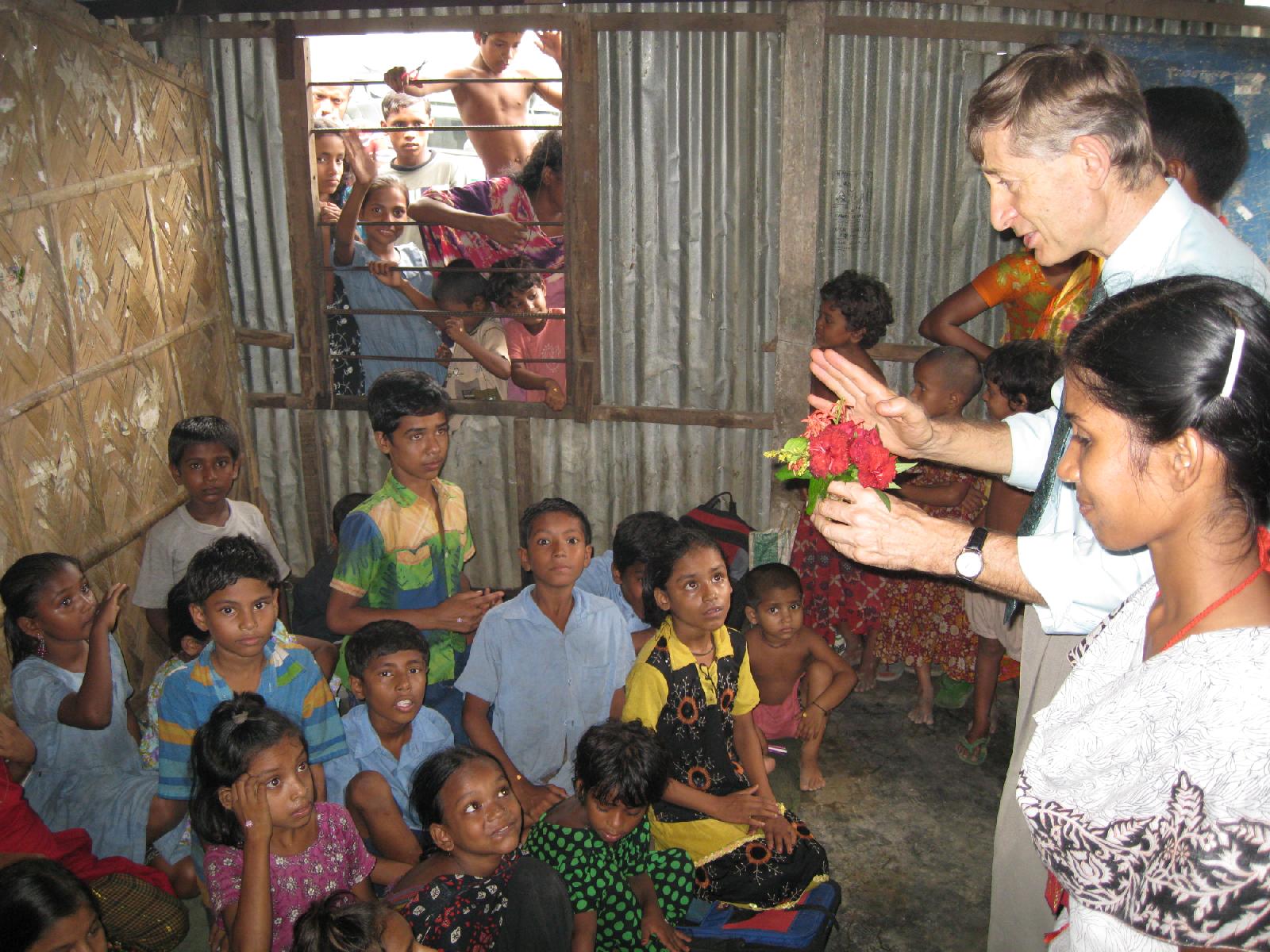
Many poor children in Dhaka could not attend school because their families could not afford fees, uniforms, books or supplies. Some children worked as beggars, domestic servants, rubbish collectors or helpers in local markets.
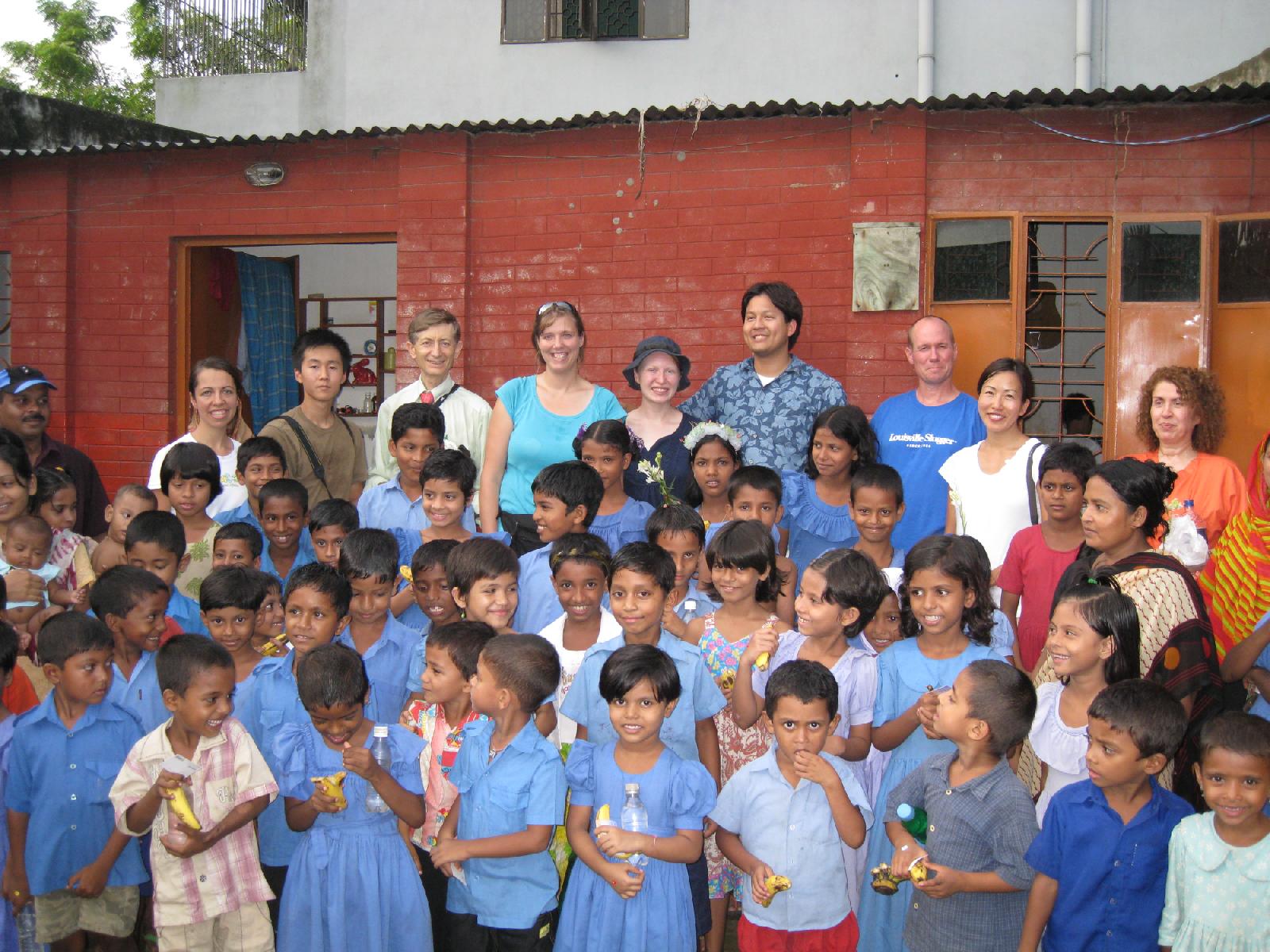
Dr Moskala therefore began establishing schools in the slums of Dhaka.
He eventually helped open ten schools for children from impoverished families. The children received free education, school materials, food and instruction about health and hygiene.
His aim was not merely to keep the children alive but to give them the knowledge and opportunities necessary to escape the cycle of poverty. (Banglahelp)
The BangBaby Programme
In 1999, Dr Moskala initiated the BangBaby humanitarian programme.
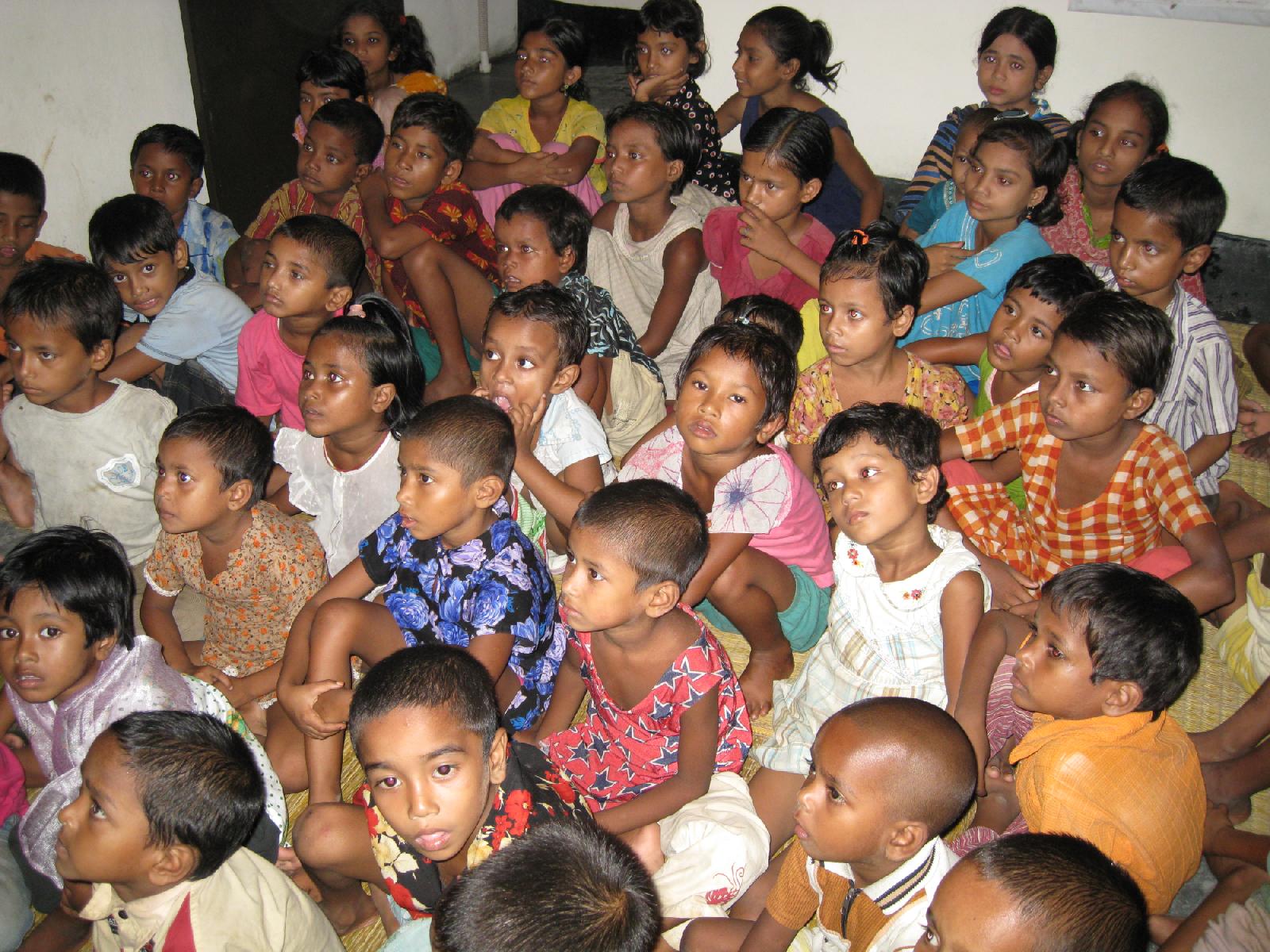
Supporters in the Czech Republic and Slovakia helped fund education, food, healthcare and school improvements for children in Bangladesh.
In 2005, approximately 700 donors contributed more than four million Czech koruna. The programme helped finance the education of 534 children and provided food for hundreds of others.
For many of these children, outside assistance offered the only realistic opportunity to receive an education.
Practical Help for Struggling Families
Dr Moskala’s ministry did not concentrate only on large projects. He also looked for practical ways to help individual families become self-supporting.
Funds were raised to purchase rickshaws for four extremely poor families. The men could then work as rickshaw drivers and earn money instead of depending entirely upon charity.
A sewing machine was purchased for a widow who was caring for several children. This gave her a means of supporting her family.
In communities where unsafe water contributed to disease, Dr Moskala and his co-workers also helped drill wells and taught people not to drink from the same ponds in which they bathed.
These were not spectacular miracles, but they transformed daily life for vulnerable families.
Missionary Work Beyond Dentistry
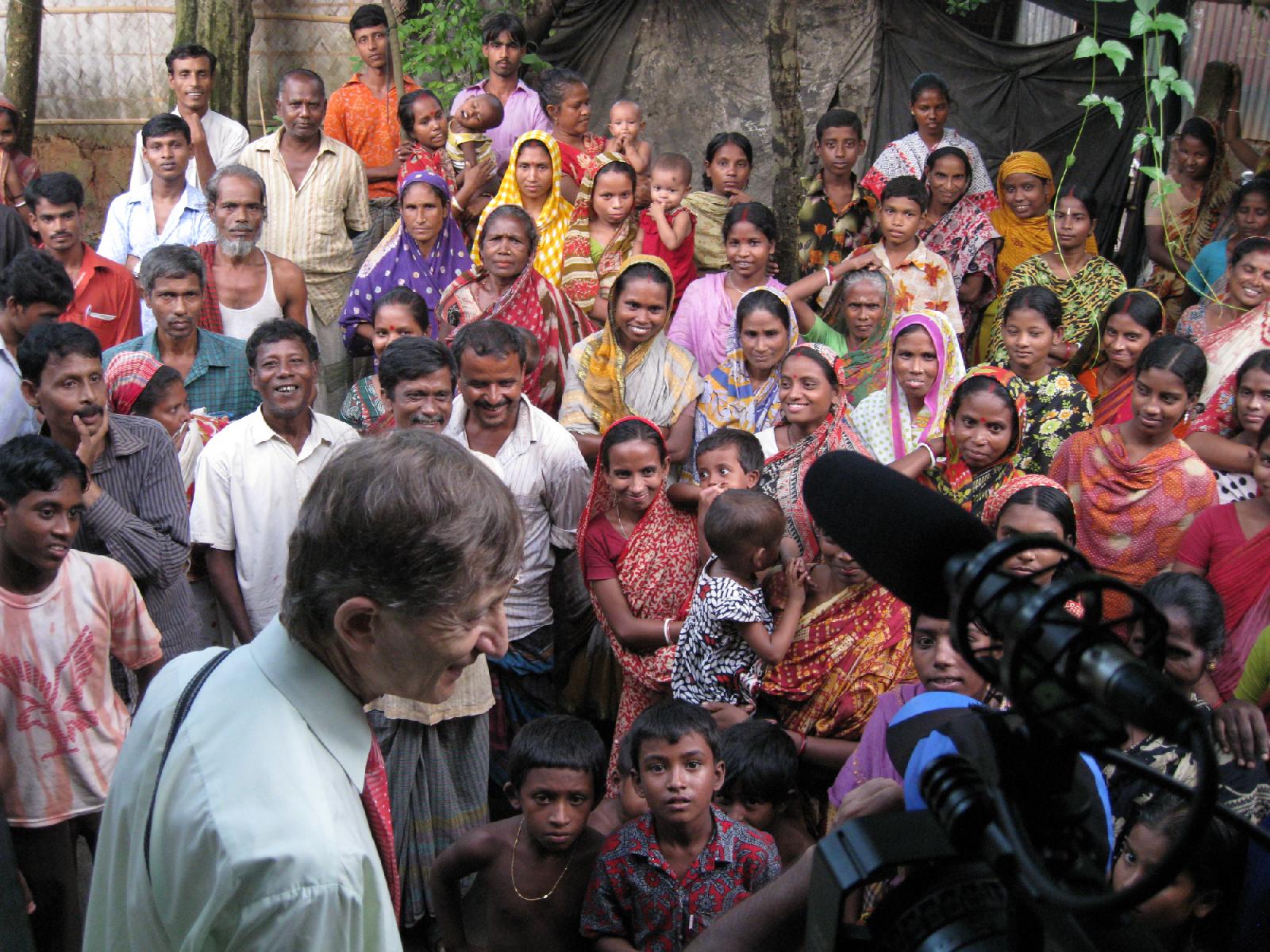
Dr Moskala’s missionary activities eventually included much more than operating a dental clinic.
He preached, conducted evangelistic meetings, supported local pastors, established church groups, visited remote villages and provided health education.
He frequently began public meetings with a Bible story because he discovered that people loved listening to stories.
His elderly mother, who lived in Český Těšín, helped him by preparing Bible stories and sending them electronically. Although she was already over eighty years old, she learned to use a computer and email so that she could support her son’s missionary work from the Czech Republic.
Reaching the Tripura People
In March 2014, Dr Moskala joined a mission journey into the Chittagong Hill Tracts, an area where access by foreigners was restricted and required permission from the police and military.
The group travelled among Buddhist communities and members of the Tripura people. The journey was long, difficult and potentially dangerous.
Dr Moskala joined Pastor Daniel, the president of the East Bangladesh church organisation, and other church leaders for the dedication of a newly built place of worship in Kathalchora.
During the service, Dr Moskala preached and invited those who wished to give their lives to Jesus to come forward.
He was surprised by the number of young people who responded. Eight young people who had already received Bible instruction were baptised that day. Others received Bibles in the Bengali language.
An Entire Village Listens
Later that same day, the missionaries travelled to the village of Noyapara.
The local people welcomed them with traditional music. The meeting place was completely full, and many others stood outside listening.
Dr Moskala spoke about the Second Coming of Christ and again invited those who wished to follow Jesus to come forward.
Many responded. Some requested baptism, and arrangements were immediately made for continued Bible studies and baptismal preparation.
Among those who responded was a Hindu woman who was deeply moved by the biblical message and decided that she also wanted to be baptised.
The missionaries had to leave the restricted region before darkness, but Dr Moskala wrote that he was grateful for the way the Holy Spirit had opened many hearts.
Reaching a Hostile Tribal Community
Dr Moskala also shared the story of a co-worker named Pastor Moishi, who was sent to an area inhabited mainly by tribal people.
When the pastor arrived, the local people rejected him.
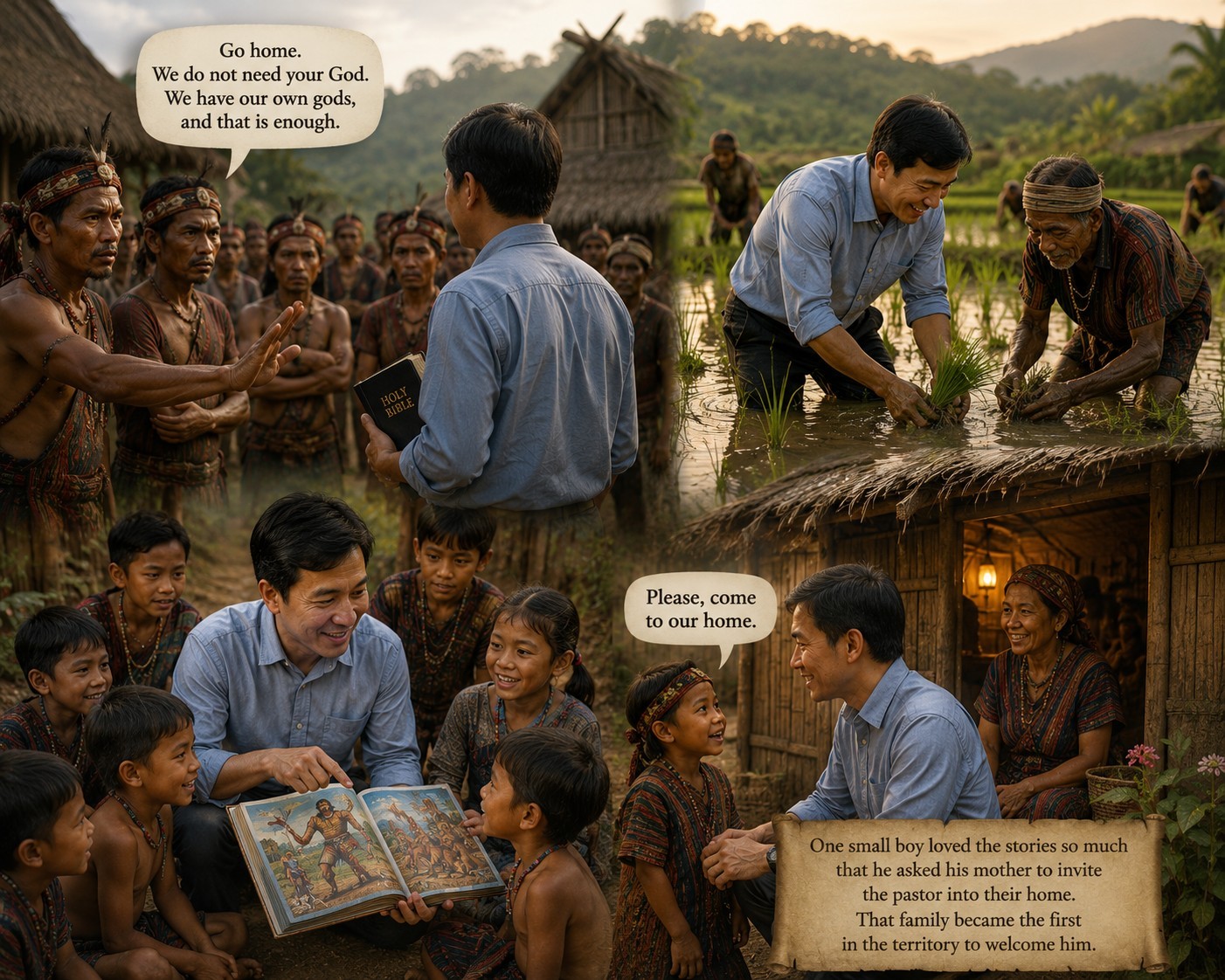
“Go home,” they told him. “We do not need your God. We have our own gods, and that is enough.”
Instead of leaving, Pastor Moishi remained among them. He worked beside the villagers in their rice fields and gradually developed relationships with them.
He also told the children Bible stories about the miracles of Jesus, David and Goliath, and Daniel in the lions’ den.
One small boy loved the stories so much that he asked his mother to invite the pastor into their home.
That family became the first in the territory to welcome him.
The First Woman to Accept Christ
When Pastor Moishi entered the family’s home, he read from the Bible, spoke about Jesus and prayed with them.
The boy’s mother opened her heart to the Gospel. Eventually, she decided to be baptised.
According to Dr Moskala’s account, she became the first woman in that large territory to accept Christianity.
Her decision required courage because the surrounding community was hostile towards the Christian faith.
Dr Moskala believed that the whole of heaven rejoiced over her decision.
A Three-Year-Old Boy Dies in a Pond
Not long after the woman’s baptism, her three-year-old son went outside early in the morning to play with other children.
It was the rainy season, and the ground was covered with mud and water. The children went near a pond, where the little boy slipped and fell beneath the surface.
The other children panicked and ran away. They did not tell the adults what had happened.
At lunchtime, the mother became concerned because her son had not returned to eat. Normally, he became very hungry and asked loudly for food.
When she questioned the other children, they avoided her and ran away.
She began searching and calling for her son.
As she passed the pond, she noticed a pale shape beneath the surface of the water. She called for help, and the villagers pulled the child out.
His body was badly swollen.
“Gods Are Punishing You”
Instead of comforting the grieving mother, some villagers accused her of bringing punishment upon herself by becoming a Christian.
“The gods are punishing you,” they told her.
The situation became threatening. According to the testimony, the people became angry and began blaming the mother for her son’s death.
She sent her older son to find Pastor Moishi, the pastor who had baptised her.
The pastor had intended to remain at his mother’s house, but he felt a strong conviction that he needed to return to the village.
Just as he reached the door, the woman’s older son arrived.
“Pastor, please come and help,” he cried. “My brother is dead, and the people want to kill my mother!”
Prayer Before the Village
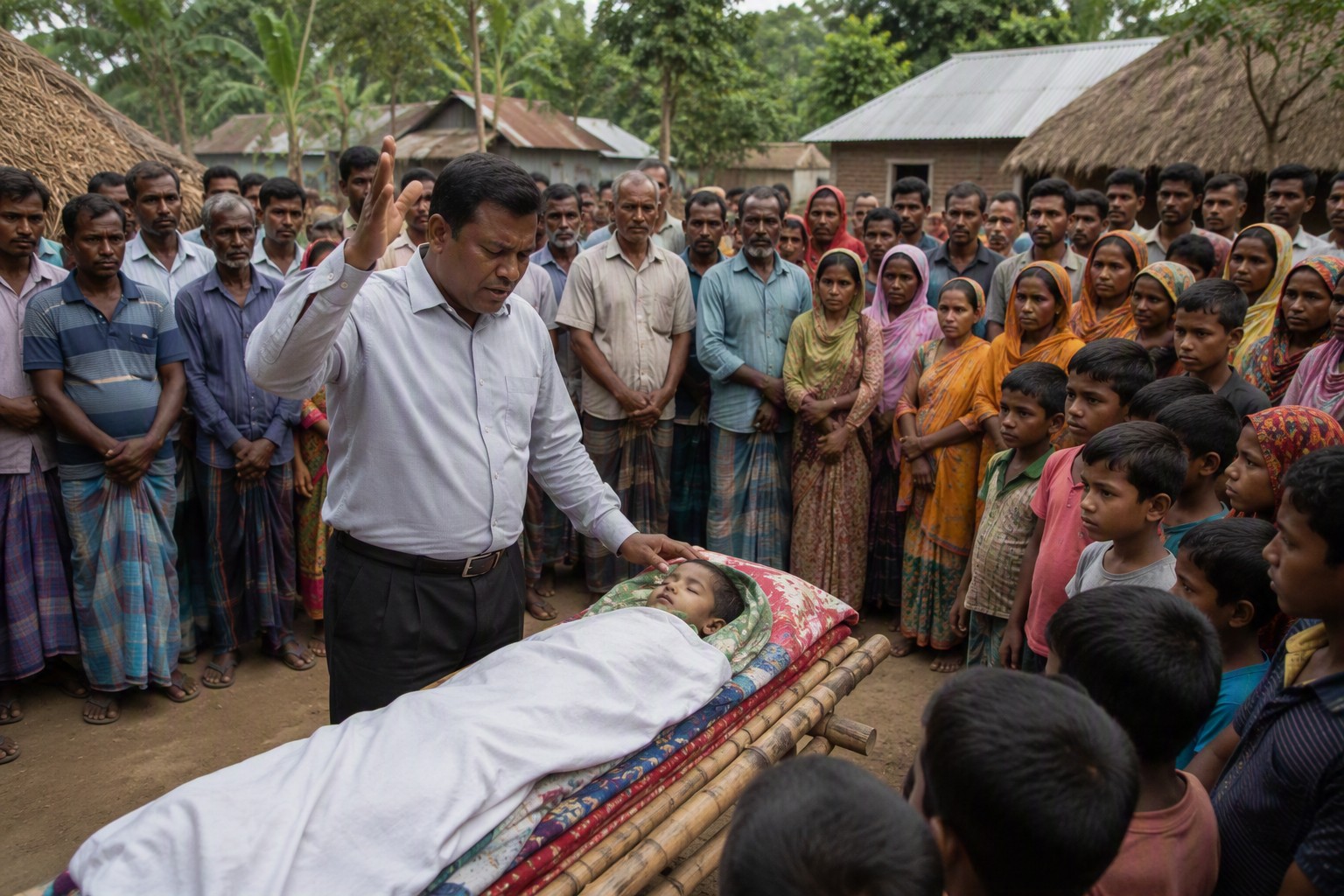
When Pastor Moishi arrived, the crowd became quiet.
The people had never seen a Christian funeral and wanted to observe what the pastor would do.
He took the child and prayed before the entire gathering:
“God Almighty, You are the living, almighty God. You love us. You sent Your Son, our Saviour Jesus Christ, who knows what poverty is, who took all our sins upon Himself and who did not remain in the grave.”
His prayer also became a proclamation of the Gospel to the watching villagers.
“Mama!”
According to the testimony related by Dr Moskala, the child suddenly moved.
He opened his eyes, began breathing and cried, “Mama!”
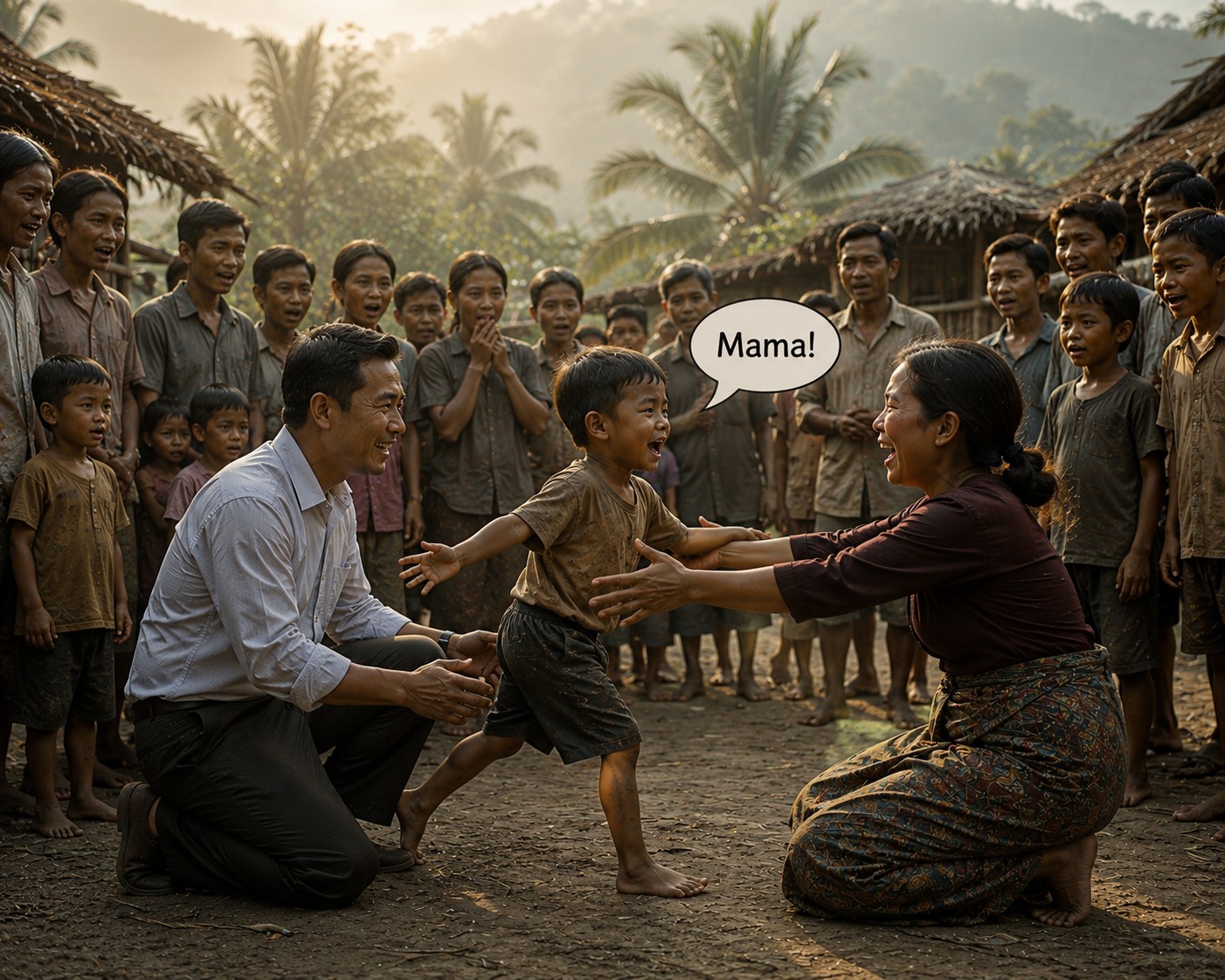
The pastor placed him on the ground, and the little boy ran towards his mother.
The astonished villagers exclaimed, “He is alive! He was dead! Who is your God?”
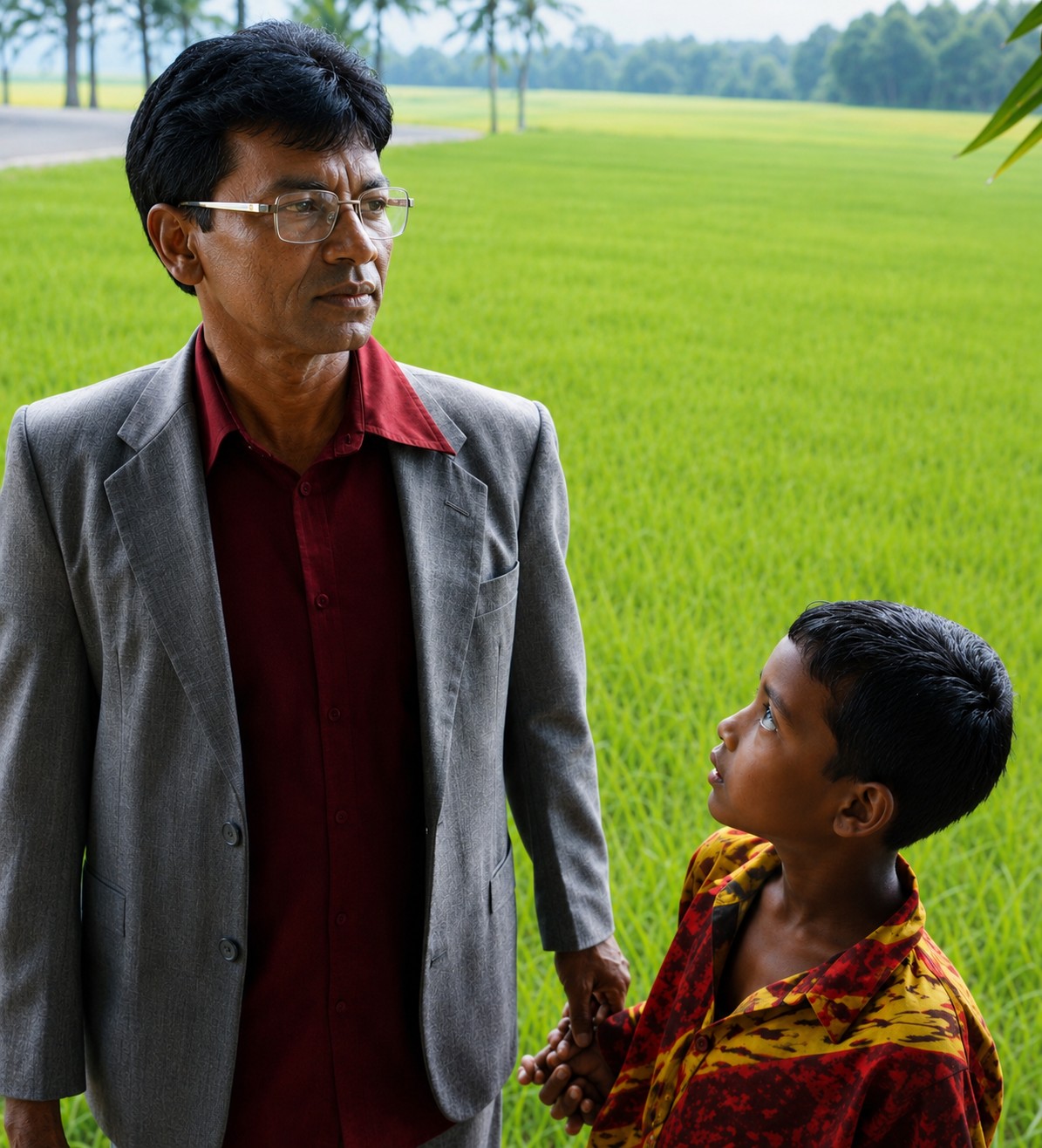
They asked the pastor to teach them about God for one hour every morning before they went to work in the rice fields.
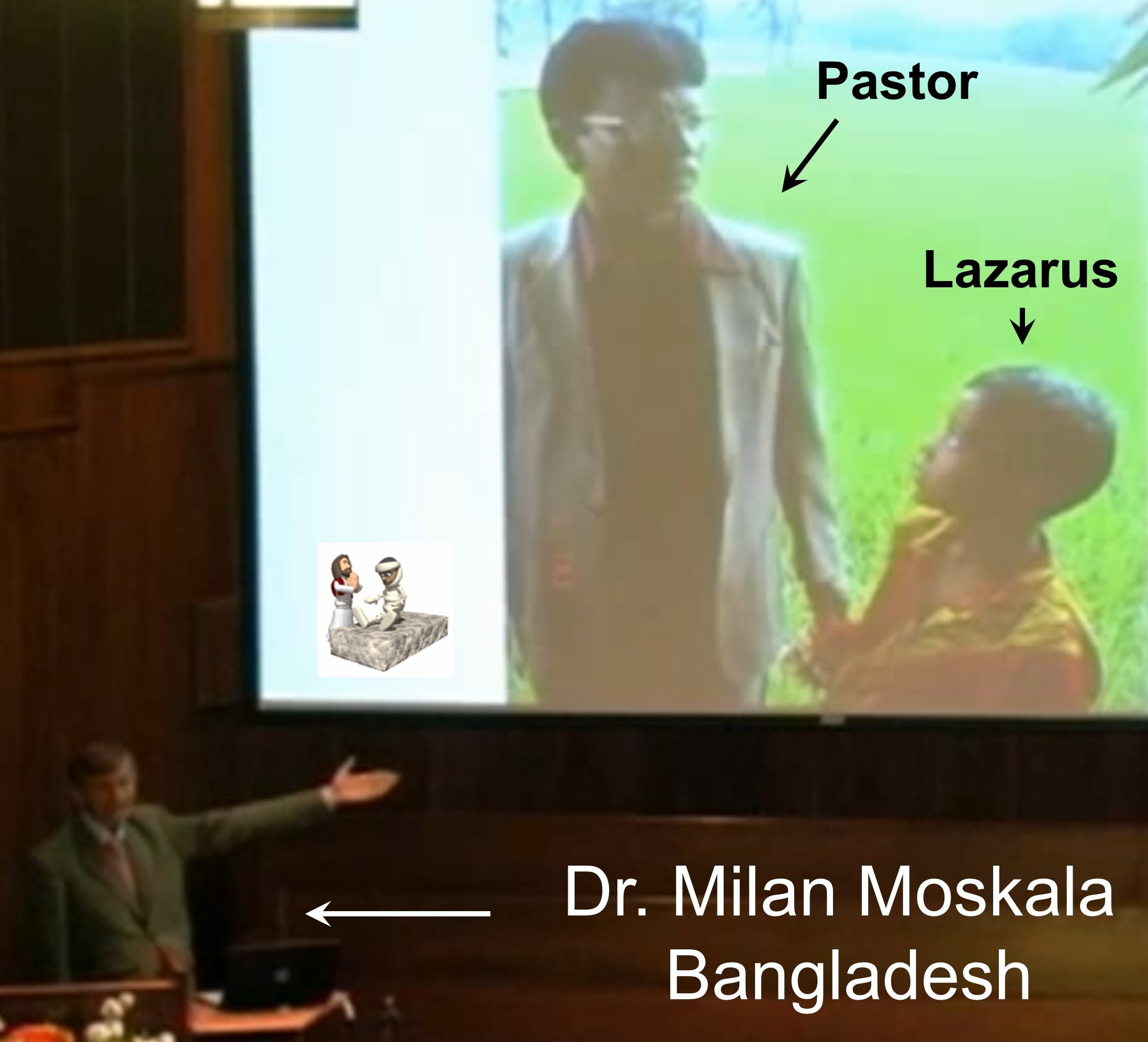
This account comes from Dr Moskala’s missionary testimony. It should be presented as a reported experience of faith rather than as an independently medically documented case.
From Rejection to Five Churches
Morning worship services began in the village.
After six months, many of the people said that they wanted to become Christians and asked to be baptised.
A large baptism followed.
According to Dr Moskala, the little boy grew up and became a missionary. The territory that had originally rejected the Christian message eventually became home to five churches.
The story demonstrates how patient service, Bible teaching, prayer and one child’s invitation opened an entire community to the Gospel.
Reported Healing of a Paralysed Man
Another testimony attributed to Dr Moskala concerns a severely ill and paralysed man who was carried to a religious gathering.
The man was described as extremely thin and weak. Dr Moskala prayed for him, while other people also began requesting prayer for sick relatives.
Dr Moskala then moved away to pray for others.
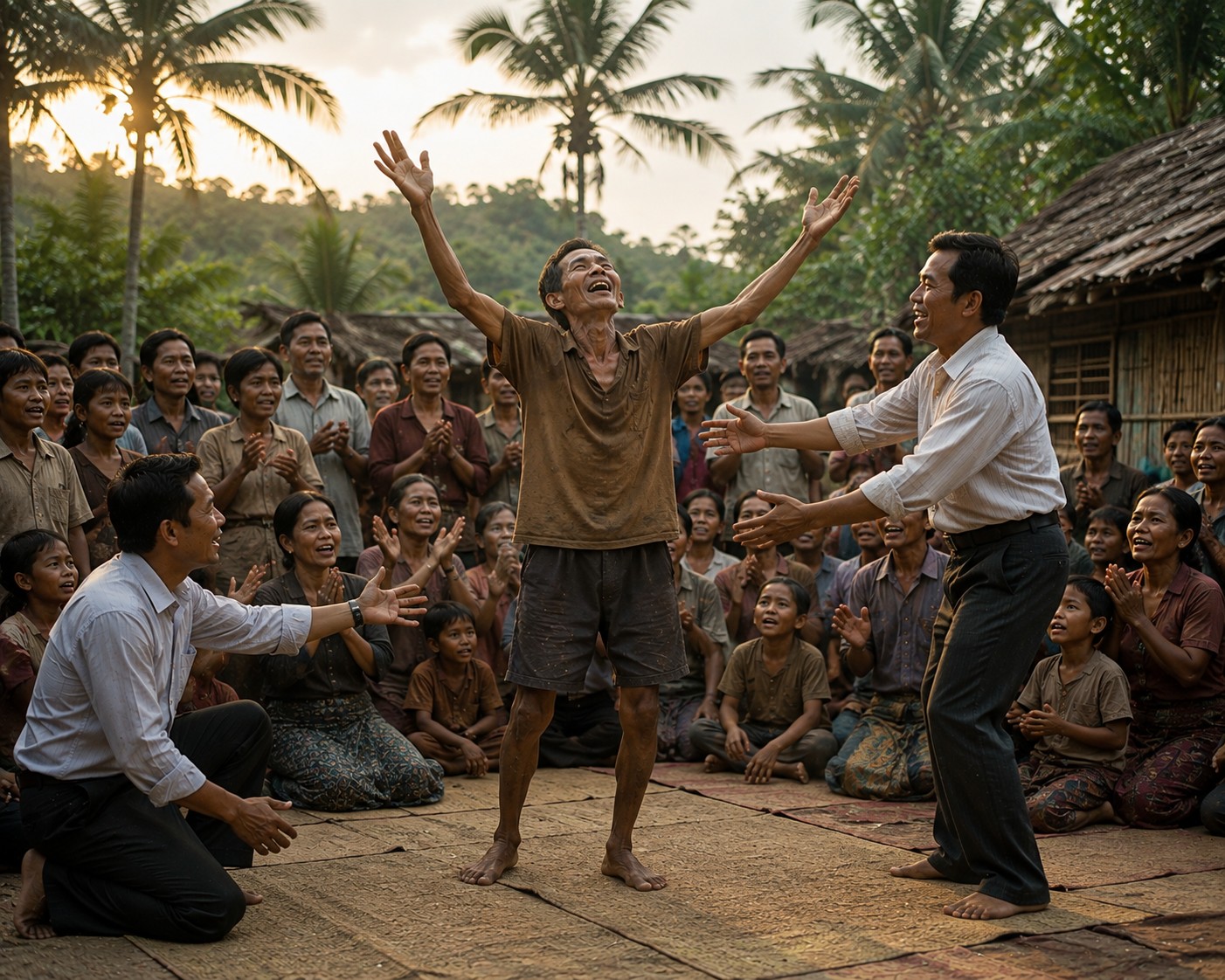
According to the published testimony, the paralysed man suddenly stood up and began praising God loudly. He was reportedly able to continue walking afterwards and expressed a desire to be baptised.
Dr Moskala regarded the experience as a miracle from God.
However, the available account does not include medical records, the man’s full identity, his precise diagnosis or independent clinical confirmation. It should therefore be described as a missionary testimony rather than as a medically verified healing.
Continuing Work of BanglaHelp
Dr Moskala served as a missionary dentist in Bangladesh for 17 years and officially retired in 2015.
The schools he helped establish did not close after his retirement.
BanglaHelp was founded in 2013 to support and expand the work that Dr Moskala had begun. The organisation continued providing free education, school supplies and meals to children from poor communities.
Its wider programmes have also included adult literacy, vocational instruction, hygiene education, medical and dental clinics, and support for especially vulnerable children.
The organisation reports that its work now reaches more than one thousand disadvantaged children. (Banglahelp)
Mission Did Not End with Retirement
Although officially retired, Dr Moskala did not abandon Bangladesh.
He continued returning to visit the schools, encourage workers, mentor younger missionaries and support the communities he had helped establish.
More than 25 years after his first arrival, his connection with the country and its people remained strong.
His life demonstrates that genuine missionary service is not merely a temporary assignment. It can become a lifelong calling. (Trans-European Division)
Miracles of Changed Lives
Not every miracle in Dr Moskala’s ministry involved a dramatic physical healing.
A hungry child receiving food, a poor girl being protected through education, a widow receiving a sewing machine, a father earning a living with a rickshaw and a family gaining access to clean water may also be regarded as miracles of grace.
Children who might otherwise have remained trapped in hunger, illiteracy and exploitation received education and hope.
Adults learned to read and write. Families received medical and dental care. Villages gained access to clean water. Communities that had initially rejected the missionaries eventually welcomed them.
The schools, feeding programmes and churches that remain provide visible evidence of the lasting influence of Dr Moskala’s missionary service.
Christianity in Action
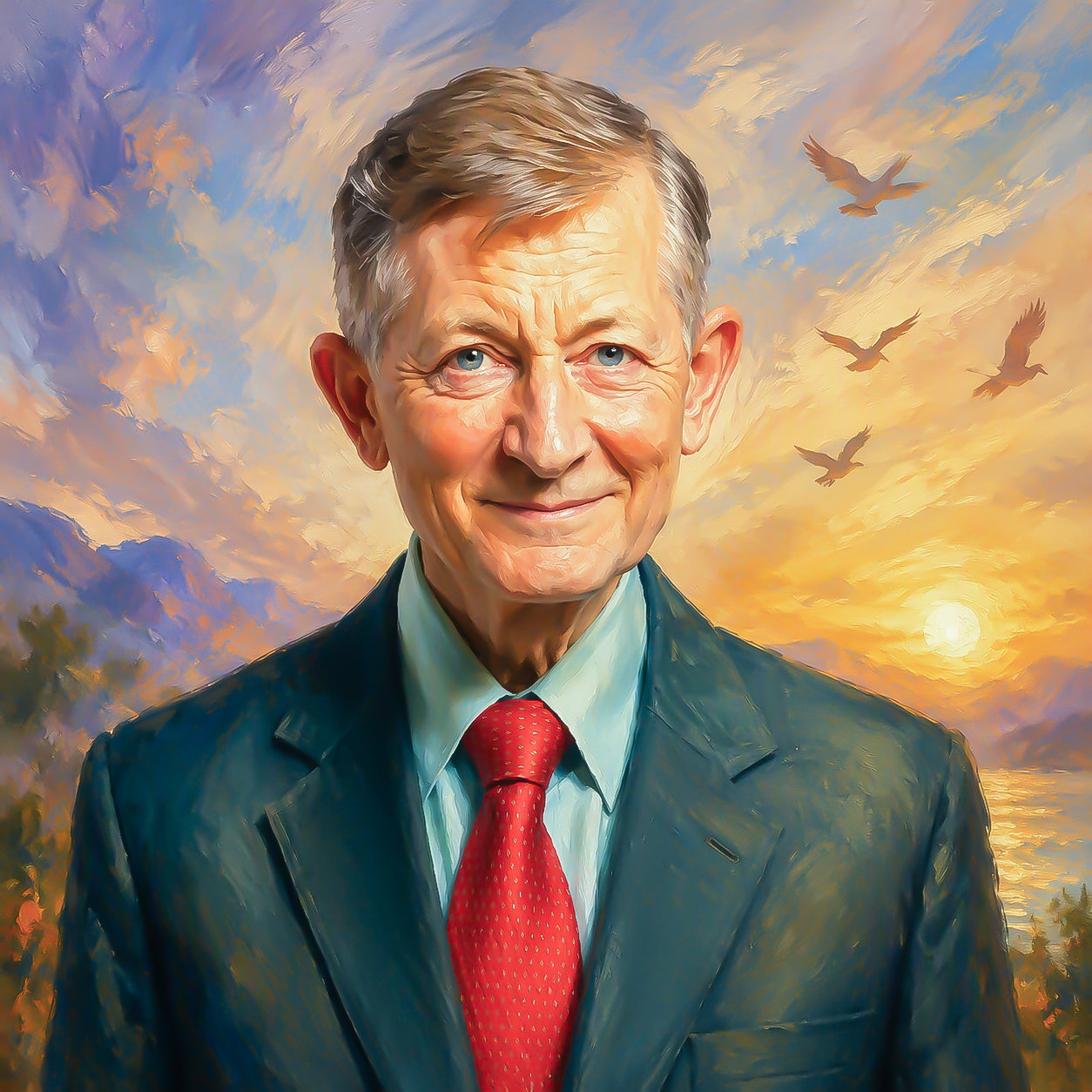
Dr Milan Moskala went to Bangladesh as a dentist, but his work became much broader than dentistry.
He fed hungry children, established schools, treated poor villagers, drilled wells, helped struggling families become self-supporting, encouraged local pastors, planted churches and proclaimed the Gospel.
His ministry was based upon a simple principle: Christianity must not remain merely a message spoken from a pulpit. It must become compassion in action.
His story demonstrates what can happen when professional knowledge, faith and a willingness to serve are placed in God’s hands.
Jesus Is Alive
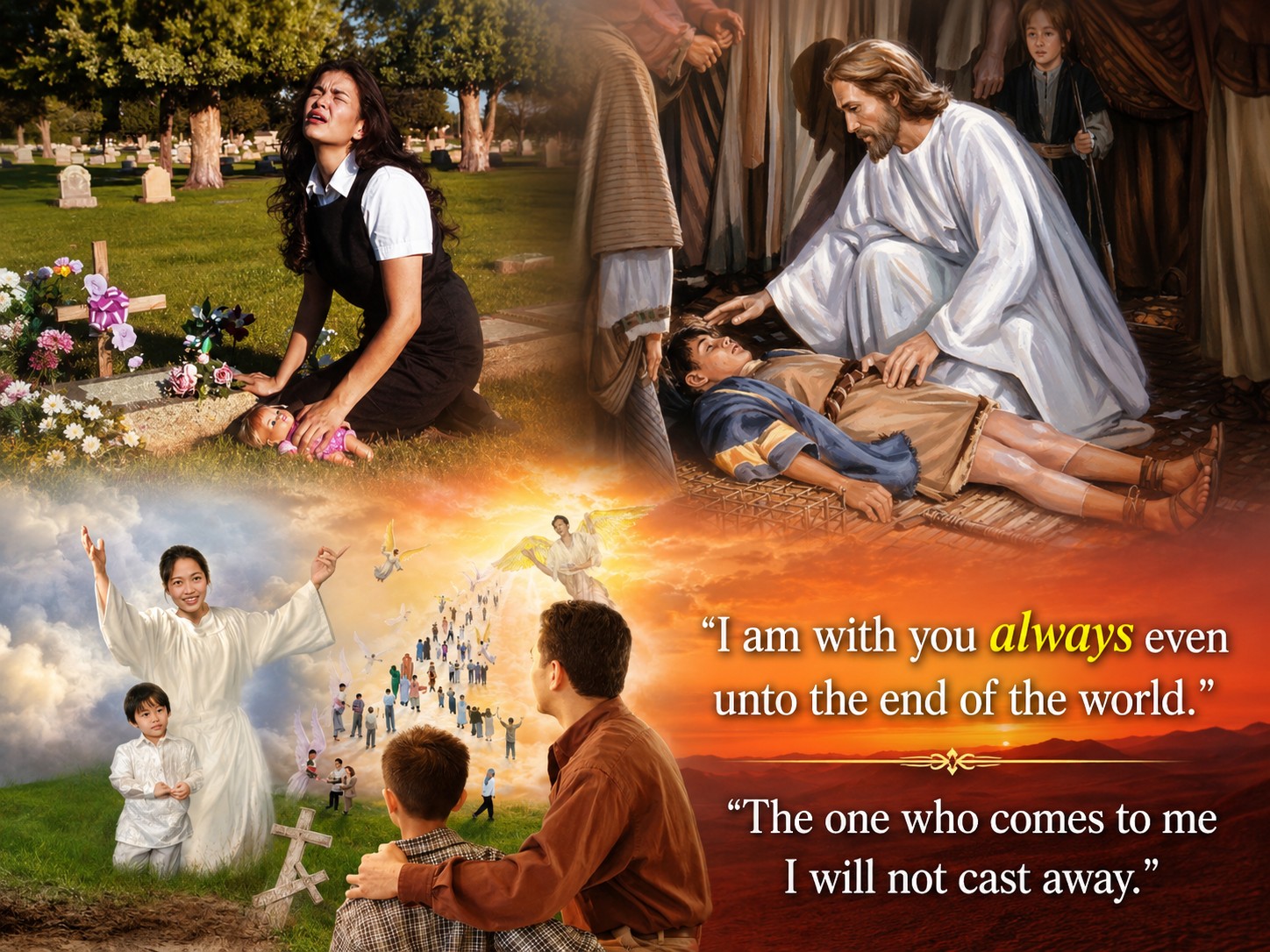
Dr Moskala’s testimony continues to proclaim that Jesus is alive, that He hears prayer and that no act of loving service is insignificant.
A bag of rice, one banana, a Bible story, a dental instrument, a sewing machine or a simple prayer can become an instrument through which God changes a life.
Jesus holds all power. He is coming soon, and every person who gives their life to Him will be abundantly blessed.