
Why James Rafferty Left Light Bearers
Slawomir Gromadzki
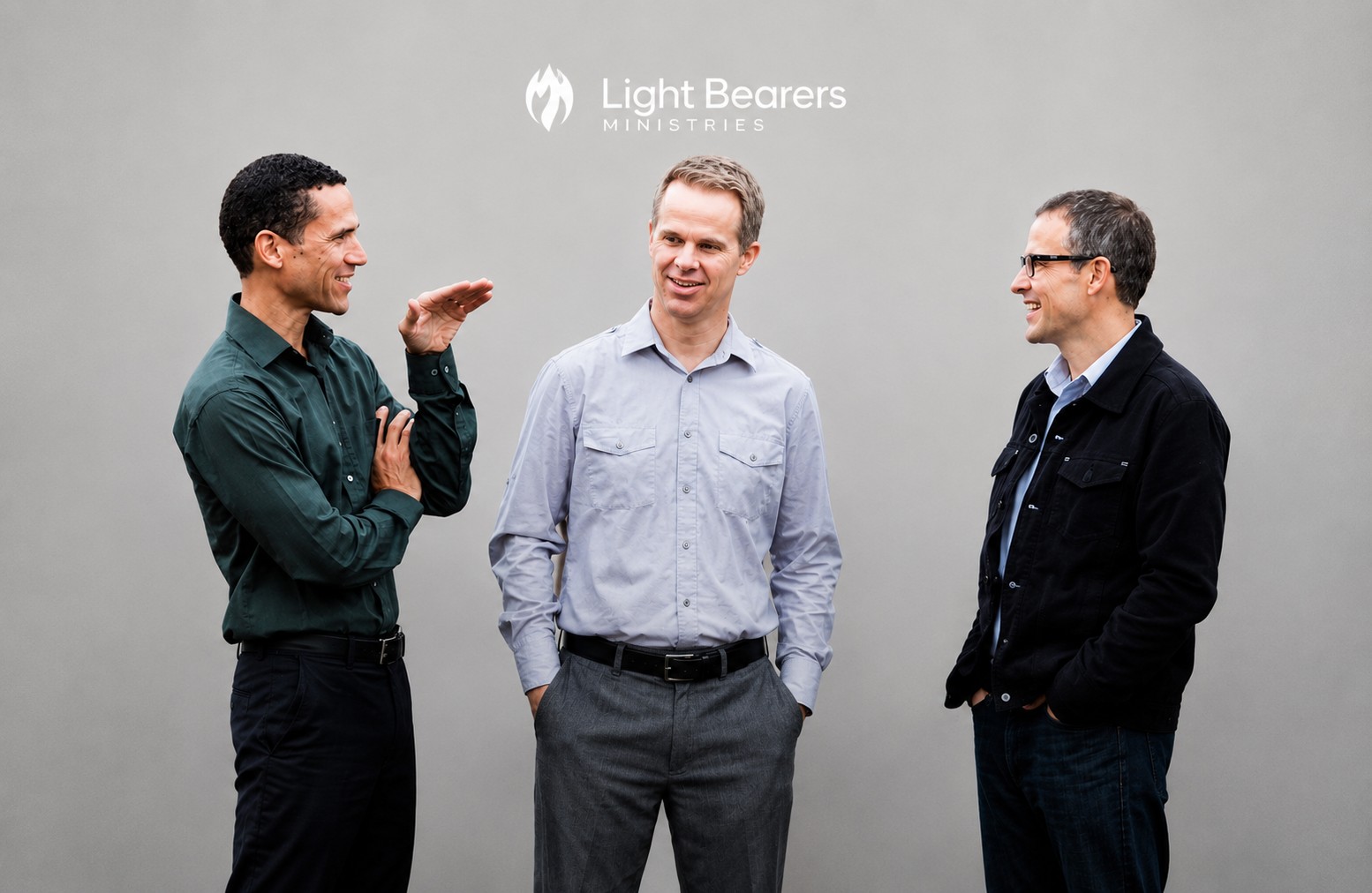
The parting of ways between James Rafferty and Light Bearers Ministry surprised many in the independent Seventh-day Adventist community because Rafferty had spent decades building the organization alongside Ty Gibson. Over the years, the ministry developed a very specific focus on righteousness by faith, but as time went on, the core leadership began to drift apart on how to apply these beliefs to modern cultural issues.
While the official transition was framed around Rafferty moving into localized discipleship and medical missionary work, independent reviews of the situation show that a growing theological divide regarding church authority, lifestyle standards, and cultural adaptation made the separation inevitable.

The primary issue that brought these internal tensions to a head was the intense denominational debate over women’s ordination. Ty Gibson and his co-director David Asscherick began steering Light Bearers toward what they called a moderate or third option. They released a video arguing that instead of a global church policy that completely bans or completely mandates the practice, individual local churches should have the autonomy to decide for themselves. Their argument was that if a local congregation determines that ordaining women will help them reach their specific secular culture more effectively, they should be free to do so without top-down interference.
To support this local option framework, the remaining Light Bearers leadership introduced a specific way of reading scripture that looked at divine ideals versus emergency exceptions. David Asscherick compared the situation to the Old Testament story of King David eating the tabernacle showbread. Even though the law technically stated that only priests could eat that bread, God permitted the exception because of a crisis.
Through this lens, the progressive side of the argument claims that while a male-led structure might be the original ideal, the modern urgency of finishing the gospel work justifies using alternative methods to meet cultural needs. They also argue that the New Testament contains sweeping principles of equality in Christ that matter more than specific cultural restrictions found in ancient texts.
James Rafferty and his conservative allies viewed this approach to scripture as a dangerous compromise that opened the door to cultural relativism. The argument against women’s ordination is built on the belief that the Bible establishes a permanent order for spiritual leadership that transcends human culture. Traditionalists argue that both the Old Testament priesthood and the New Testament model of church elders intentionally restrict structural leadership to men based on creation principles rather than temporary cultural settings. They strongly rejected the idea that a local church can decide to bypass these commands just because the surrounding society values gender equality differently.
Opponents of the Light Bearers position quickly pointed out that the argument regarding the tabernacle showbread was being misused to justify an ongoing change in church policy. Conservative theologians published extensive video responses and audio critiques arguing that an emergency exception in scripture is completely different from establishing a permanent, unauthorized policy that alters the biblical structure of the church. From Rafferty’s perspective, replacing a plain command of scripture with a flexible human interpretation was a step toward secular psychology and worldly philosophy.
This clash over church leadership was actually part of a much larger disagreement regarding how the ministry should relate to the world. For several years, the leadership team had been clashing over issues like lifestyle choices and music standards. While Gibson and Asscherick argued for a nuanced approach to culture, describing the world of art and music as having many complex shades and colors, traditionalists like Rafferty maintained a strict standard that clearly separated the sacred from the secular. When the ministry officially adopted a stance that accommodated the regional ordination of women, the theological foundation that Rafferty stood on was compromised.
While the arguments presented by Ty Gibson and David Asscherick regarding women’s ordination offer a practical and compassionate way forward for modern ministry, a differing understanding of this administrative issue should never have caused a division in leadership. These speakers should have continued their vital ministry together, united by their shared understanding of the fully restored gospel that was so powerfully promoted by Jack Sequeira. The message of universal legal justification and our complete corporate security in Christ is the single most important subject in the world. This everlasting gospel is the absolute foundation of the three angels’ messages, making the debate over women’s ordination a nonessential issue that should never have broken the unity of such a powerful ministry.
READ MORE ABOUT WOMEN’S ORDINATION
Light Bearers on Universal Legal Justification
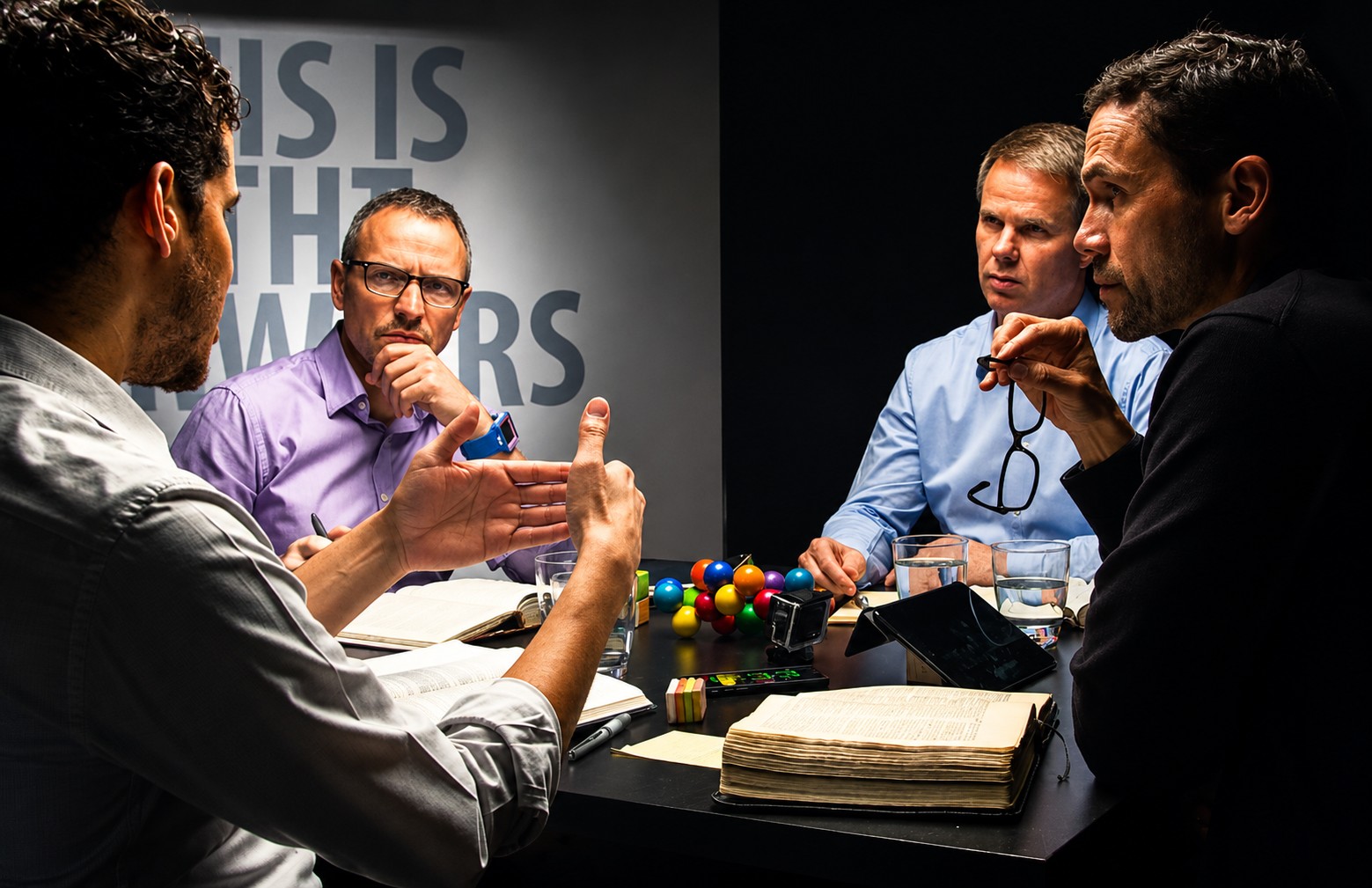
Popular SD Adventist revivalists James Rafferty, Ty Gibson and David Asscherick (The Light Bearers) seem to have the same understanding of our corporate salvation in Christ as Jack Sequeira. To prove it let me quote the statement I found in their Epistle to the Hebrews, Study Outlines 08 – Once For All, Salvation In Christ:
“What this means, in the context of the gospel, is that we have appropriated to us everything that Jesus did… And, just like Levi, all that Jesus has done is accounted to us as though we actually did it ourselves. The biblical truth that Levi paid tithes to Melchizedek in Abraham directs us to an even greater truth that humanity paid the wages of sin and lived the life of obedience in Christ (2 Corinthians 5:14; 1 Corinthians 1:29-30). There is no biblical truth that needs to be repeated more frequently, dwelt upon more earnestly, or established more firmly in our minds than this. Everything Christ accomplished in His life, death and resurrection is accounted to us in Him. It is only ‘in Him‘ that the entire world exists (Acts 17:28; Colossians 1:17; Hebrews 1:3). As we accept our position in Him, we are assured that His death and life of obedience are ours. Our obedience springs forth as the fruit of His life and reveals that we abide in Him. Our salvation is not in the fruit; our salvation is entirely in Jesus Christ. If there is no fruit, then there is no faith in Christ. However, we are not saved by the fruit, but rather by accepting our position in Christ. Since this one truth is so vital for our understanding, we will repeat the matter again from the beginning—What Christ did as head of this new family, we do in Him. He is our representative; He became flesh; He became us. He did not become simply a man, He became flesh, and everyone that should be born into His family was represented in Jesus Christ when He lived here in that flesh. Because of this, everything Christ did we are given credit for just as if we did it ourselves.” Epistle to the Hebrews, Study Outlines 08 – Once For All, Salvation In Christ.
A substantial portion of the quoted above article by Light Bearers contains passages taken or copied from quoted below sermon by WW Prescott. It is therefore very strange that Gibson and Rafferty were able to recognize and vindicate this adorned by Sister White truth of our corporate oneness with Jesus while A. M. Rodriguez (BRI), Colin and Russell Standish (Hartland) not only seem to be unable to see this great truth but even dare to oppose it!
Ty Gibson
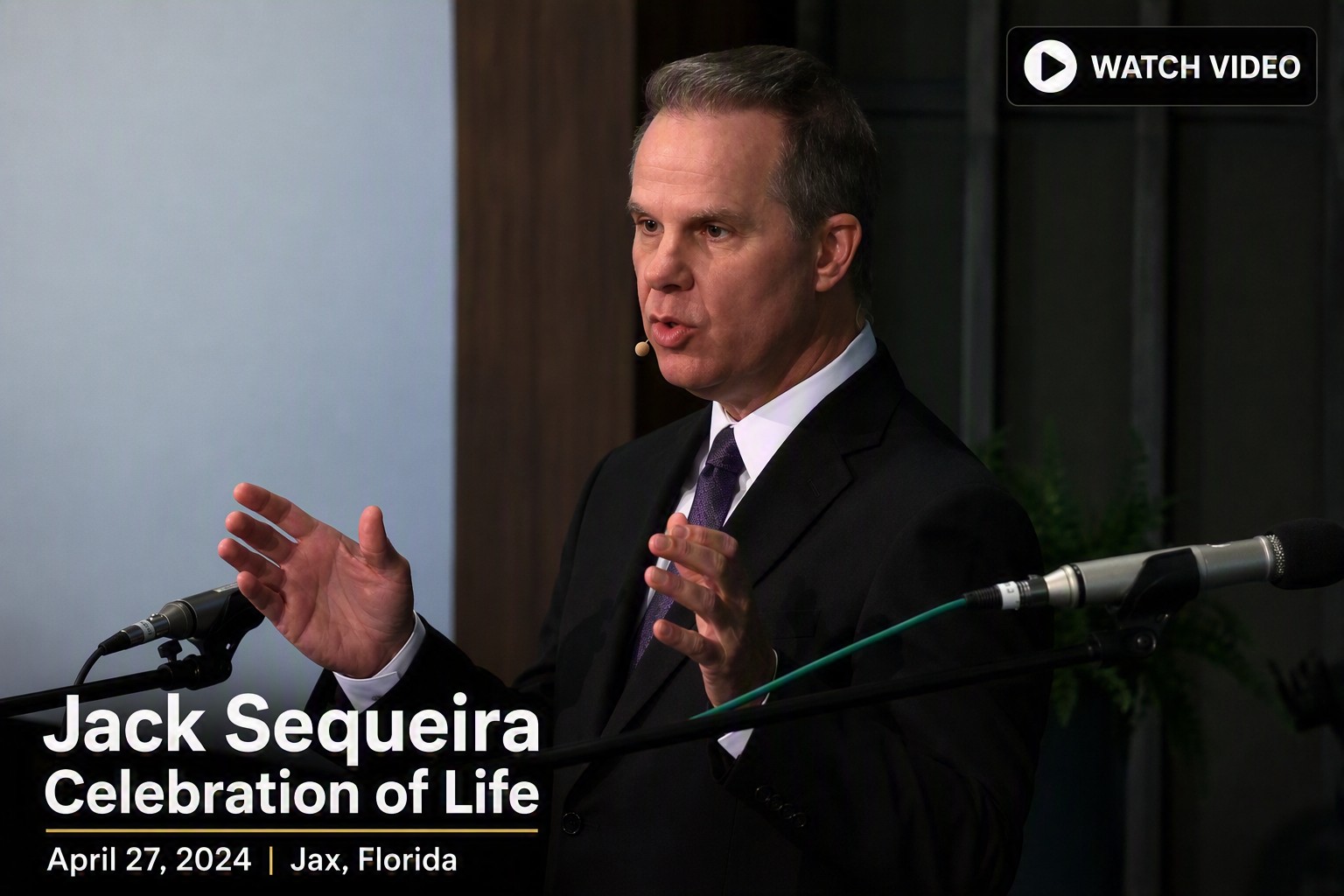
Ty Gibson stands out as one of the strongest proponents of the “Universal Legal Justification” (ULJ) and “In Christ” motif pioneered by Jack Sequeira. Gibson frequently integrates these theological frameworks into his public sermons and Bible studies, sharing the concepts with a wider audience. Demonstrating his close connection to Sequeira and his legacy, Gibson was also present at the Jack Sequeira – Celebration of Life service (video link).
“The entire human race was literally gathered up in Christ and carried through His life, death, resurrection, and ascension.” — Ty Gibson, An Endless Falling in Love, Light Bearers Publishing, p. 63.
“Jesus became the second Adam, the new head of humanity, taking the whole race into Himself.” — Ty Gibson, sermon series on Romans 5, Light Bearers
“What happened to Christ happened to humanity in Him, because He bound Himself to the human race.” — Ty Gibson, teaching on 2 Corinthians 5, Light Bearers
“In Christ, humanity has been brought near to God. The cross is God’s act of embracing the world.” — Ty Gibson, A God Named Desire, Pacific Press, p. 118.
James Rafferty
“All humanity was represented in Christ, just as all humanity was represented in Adam.” — James Rafferty, sermon on Romans 5, Light Bearers
“God was in Christ reconciling the world unto Himself before the world ever responded.” — James Rafferty, message on reconciliation, Light Bearers
“When Christ died, humanity died in Him. When Christ rose, a new humanity emerged in Him.” — Ty Gibson, teaching on the gospel and corporate identity, Light Bearers
“Jesus Christ gathered humanity into Himself and rewrote the story of the human race.” — James Rafferty, sermon on Romans 5 and the Second Adam motif, Light Bearers
“Christ did not come merely to stand beside humanity, but to stand as humanity.” — James Rafferty, audio sermon on the incarnation and atonement, Light Bearers Sermons
“All humanity was comprehended in Christ just as all humanity was comprehended in Adam.” — James Rafferty, Romans seminar, Light Bearers
“The cross reveals that God included the entire race in Christ.” — James Rafferty, message on reconciliation and the everlasting gospel, Light Bearers
“What happened in Christ affects the entire human race because He became the new Head of humanity.” — James Rafferty, teaching on the ‘in Christ’ motif, Light Bearers
“The gospel is the announcement of what God has already accomplished in Christ for mankind.” — James Rafferty, evangelistic sermon series, Light Bearers
David Asscherick
“In Christ, the whole human race was rewritten with a new story.” — David Asscherick, sermon on Romans 5, ARISE / Light Bearers teachings
“Jesus became the new Head of humanity, the second Adam, reliving the human story in perfect fidelity to God.” — David Asscherick, gospel presentation on the Adam-Christ parallel, Light Bearers
“Jesus is the new Adam, the new representative man, reliving the human story the right way.” — David Asscherick, sermon on Romans 5 and 1 Corinthians 15, Light Bearers
“What Adam lost for the race, Christ regained for the race.” — David Asscherick, gospel seminar on the Second Adam motif, ARISE Online