Fire that Consumes: John Stott, Edward Fudge, and the Evangelical Crisis Over Hell
Slawomir Gromadzki
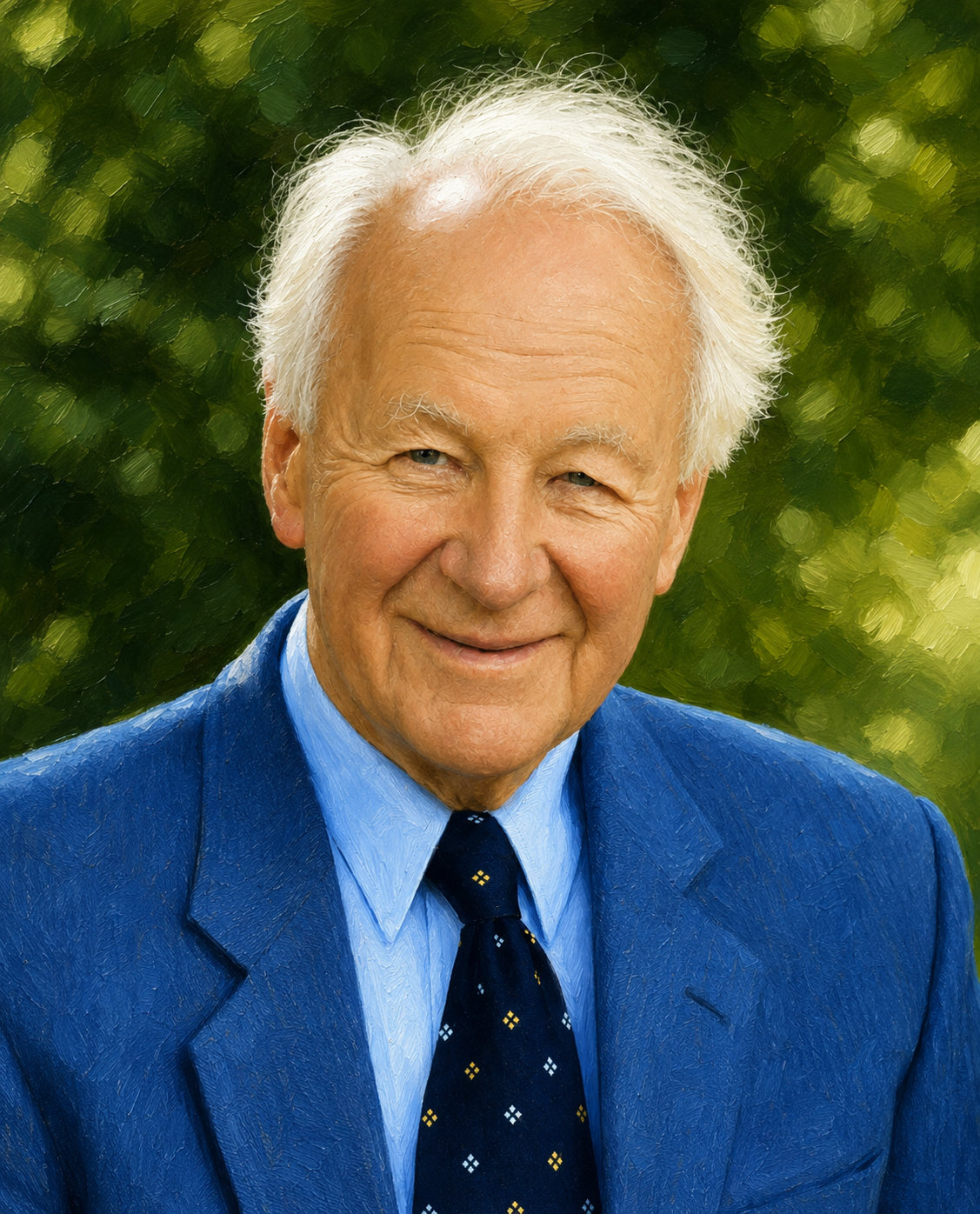
John Stott (1921 – 2011)
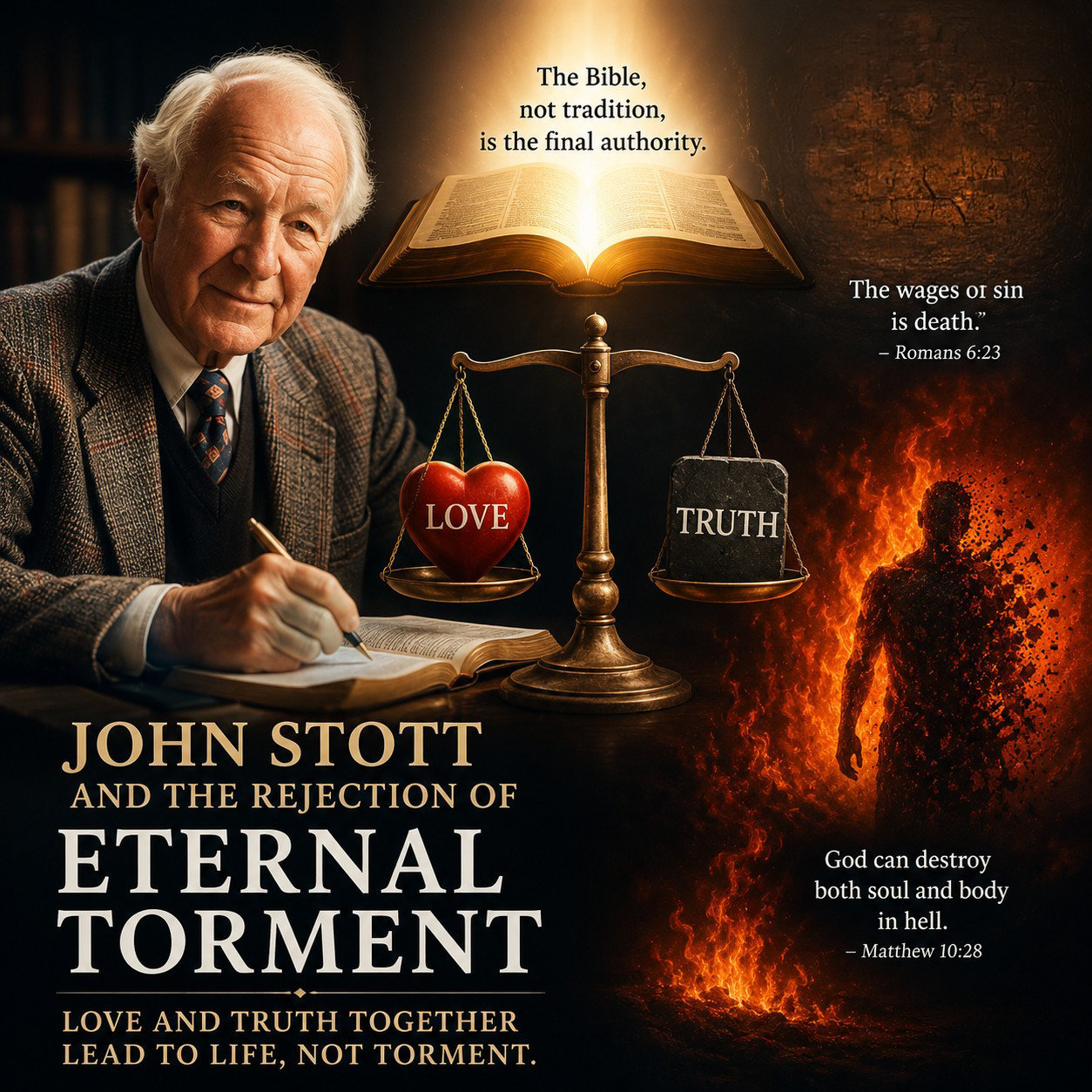
Great Theological Shift: John Stott and the Rejection of Eternal Torment
John Robert Walmsley Stott (27 April 1921 – 27 July 2011) was a British Evangelical Anglican pastor and theologian who was noted as a leader of the worldwide evangelical movement. In 2005, Time magazine ranked Stott among the 100 most influential people in the world.
Stott shocked the global church in 1988 by publicly breaking with centuries of ecclesiastical tradition to reject the extra-biblical doctrine of eternal conscious torment. As the Rector of All Souls Church in London and a primary architect of the historic Lausanne Covenant, Stott was the undisputed elder statesman of global evangelicalism.
His shift toward annihilationism—the biblical truth that the wicked are completely destroyed rather than preserved alive forever in torment—sent shockwaves through the theological world. Stott insisted that his change of mind was not a surrender to modern emotionalism, but an act of complete submission to the supreme authority of the written Word of God. He realized that the concept of an immortal human soul executing an endless cycle of suffering was entirely foreign to the text of Scripture.
Biblical Evidence and the Collapse of a False Orthodoxy
For decades, Stott wrestled with the traditional view of hell, realizing that the standard dogmas did not align with the clear declarations of the biblical writers. His breakthrough came during a public written dialogue with liberal Anglican scholar David Edwards, published in the groundbreaking book Evangelical Essentials: A Liberal–Evangelical Dialogue.
Forced to address the topic directly, Stott famously wrote that he found the concept of eternal conscious suffering emotionally intolerable, but immediately qualified that human emotions are an unreliable guide to truth. He based his massive theological shift entirely on rigorous, objective biblical exegesis. He emphasized that Jesus Himself explicitly commanded believers to fear the One who can destroy both soul and body in hell, establishing that the human soul is naturally mortal and subject to absolute extinction.
Stott dismantled the traditionalist position by exposing how it completely misinterprets the vocabulary of judgment and the true nature of fire. He pointed out that New Testament Greek verbs like apollumi (“destroy”) and nouns like apoleia (“destruction”) literally mean to eradicate from existence, not to preserve in permanent pain. He noted that the primary function of fire in the ancient world was to thoroughly consume and obliterate an object, rather than to keep it alive indefinitely for the purpose of perpetual torture.
Furthermore, Stott argued that a disproportionate, infinite punishment of conscious torment for a finite lifespan of human sin violated God’s perfect justice. He concluded that for God to be truly victorious and all in all, evil must be completely extinguished from the universe, leaving no pocket of eternal rebellion and agony.
Critical Synthesis of Edward Fudge’s Exhaustive Scholarship
While Stott formulated his thoughts independently, his positions were deeply synchronized with and validated by the landmark research of the faithful scholar Edward Fudge. Fudge published his seminal work, The Fire That Consumes, in 1982, tracing every reference to judgment across the Old and New Testaments.
Fudge’s massive, exhaustive exegesis tracking Hebrew and Greek terms provided the structural framework that made conditional immortality highly credible within conservative academic circles. Fudge systematically proved that the traditional concept of hell was not biblical, but was instead an imported product of pagan Greek philosophy popularized by Plato.
This platonic philosophy crept into the early church through theologians who erroneously assumed that human beings possess an inherently immortal soul.
Stott was deeply familiar with Fudge’s work, and when the two later met in person, Stott warmly embraced him and publicly referred to him as his friend. Fudge’s scholarship acted as a powerful shield for Stott, proving that conditional immortality was a robust biblical alternative rather than a modern heresy. Fudge and Stott both championed the truth of Romans 6:23, which states that the wages of sin is death, not eternal life in torment.
By highlighting the stark biblical contrast between eternal life as a gift for the righteous and perishing as the end for the ungodly, Fudge’s work confirmed that the wicked will eventually be burned up completely. This synchronization between the British pastor and the American scholar helped shake the foundations of tradition-based eschatology.
Panic and Resistance of the Evangelical Establishment
The response from traditional evangelicals to Stott’s courageous declaration was swift, severe, and defensive. Many conservative leaders, particularly in North America, felt deeply threatened by the fact that their most trusted champion had exposed their foundational doctrine of hell as unscriptural.
Stott faced immense backlash, resulting in a temporary loss of standing among hardline theologians who sought to maintain the medieval status quo. The sharpest blow came from Stott’s close friend and fellow Anglican pillar, J.I. Packer, who openly criticized the move, framing annihilationism as a dangerous concession to cultural sentimentality. Traditionalist organizations immediately released extensive rebuttals, attempting to argue that words like destruction did not actually mean extinction, but their arguments repeatedly stumbled over the clear literal meanings of the texts.
Critics desperately argued that apocalyptic literature, such as the symbolic imagery in the Book of Revelation, demanded a literal interpretation of eternal torture, while ignoring the clear prose of the Gospels and Epistles. They accused Stott of downplaying the severity of God’s holy wrath, completely missing his point that total destruction is the ultimate, irreversible expression of divine judgment.
Despite the fierce theological counter-attacks and attempts to marginalize his voice, Stott defended his position until his death. He maintained that the ultimate mark of an evangelical is a willingness to submit to the Bible, even when it completely overthrows deeply entrenched religious tradition. His stance permanently fractured the monopoly that the doctrine of eternal torment had held over the evangelical world.
Seventh-day Adventist Vindication of the Mortality of the Soul
For the Seventh-day Adventist Church, John Stott’s public declaration was received as a massive, historic vindication of the biblical truths they had championed for over a century. Since their inception in the nineteenth century, Adventists had been fiercely ostracized by mainstream Christianity for holding to conditional immortality and the complete mortality of the human soul as a core, distinctive tenet of their faith.
Adventist pioneers had long identified that Ezekiel 18:4 explicitly states that the soul who sins shall die, and that God alone possesses inherent immortality.
When Stott, who represented the absolute gold standard of mainstream evangelical orthodoxy, embraced this exact view, it delivered a powerful blow to the critics who had labeled the Adventist position as a cultish deviation.
The Adventist community responded with enthusiastic validation, and prominent publications like Ministry Magazine celebrated Stott’s courage while extensively analyzing his arguments.
For Adventists, Stott’s shift proved that their doctrine of the soul sleeping in the dust until the resurrection was a conclusion derived from sound, objective biblical exegesis rather than isolationism. It served as a powerful theological bridge that allowed Adventist scholars to engage more deeply with the broader religious world, showing that mainstream scholarship was finally catching up to the clear truths of Scripture.
While Stott himself never joined the Adventist church, his public rejection of the traditional hell permanently shifted conditional immortality from the perceived margins of theology straight into mainstream, acceptable Christian dialogue.
Like Adventists, Stott also opposed the false evangelical idea that under the new covanent the saved by faith believers are not obligated anymore to keep the law: “For justification we look to the cross, not the law, and for sanctification we look to the Spirit, not the law. Legalists fear the law and are in bondage to it. Antinomianists hate the law and repudiate it. But the law-abiding free people love the law and fulfil it.” – Stott, J. R. W. (1994). The Message of Romans: God’s Good News for the World. The Bible Speaks Today, Chapter 7.
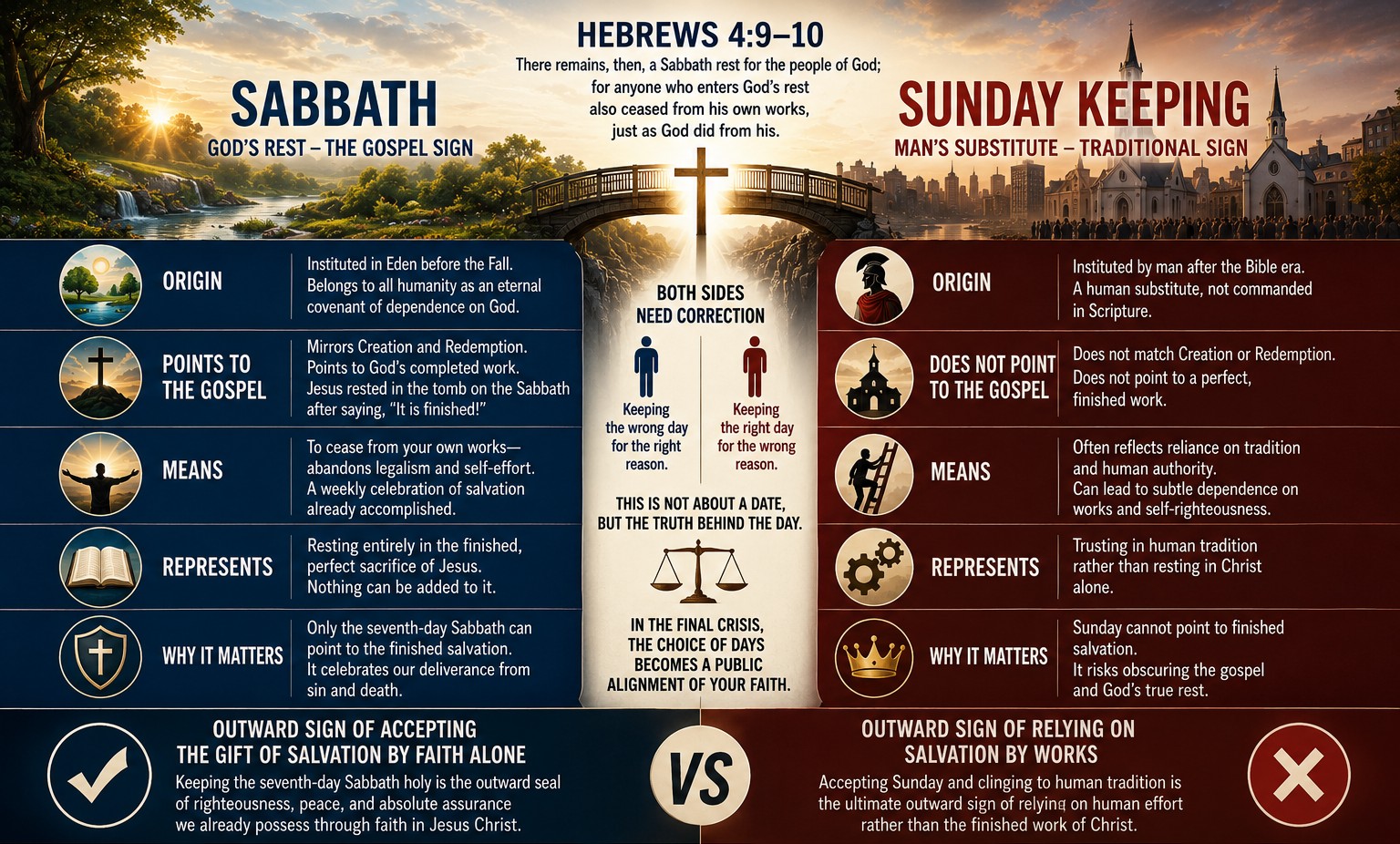
READ ABOUT SABBATH VS SUNDAY