
Slawomir Gromadzki
1. Historic Adventism
Historic Adventism is an informal, conservative traditionalist movement that emerged in the late 1950s. It was a direct, protective reaction against the publication of Questions on Doctrine (1957). Adherents felt church leadership was compromising the denomination’s unique prophetic identity to gain acceptance as an “orthodox” Christian denomination from mainstream Evangelicals (specifically Donald Barnhouse and Walter Martin).
It is defined by a strict preservation of the traditional interpretations of the church’s pillars as they were understood in the early-to-mid 20th century.

The Defining Pillars of Historic Adventism:
-
The Post-Fall Human Nature of Christ (Postlapsarianism): A non-negotiable anchor for Historic Adventists. They maintain that Christ took human nature as it was after the Fall—physically weakened, burdened with hereditary liabilities, and possessing the same natural inclinations to sin that all humans inherit from Adam—yet He chose never to yield to sin.
-
An Incomplete Atonement at the Cross: They emphasize that the sacrificial death of Christ on the cross did not complete the atonement. It provided the blood, but the application and finalization of the atonement is a dual-phase process continuing right now in the heavenly sanctuary.
-
The Literal Sanctuary and Investigative Judgment: Absolute adherence to the literal fulfilling of the 1844 prophecy. Christ entered the Most Holy Place to examine the books of record and physically blot out the sins of believers, which is a literal, ongoing administrative work in heaven.
-
High Verbal Authority of Ellen G. White: The Spirit of Prophecy is treated as a dogmatic, authoritative, and final court of appeal for interpreting biblical doctrine and lifestyle, rather than a merely secondary or pastoral guide.
-
Anti-Ecumenism and Lifestyle Separation: A rejection of any compromise or theological blending with standard Protestantfully secured bodies. This includes strict adherence to outward markers like the health reform (vegetarianism), dress standards, and standard separation from worldly entertainment.
2. Last Generation Theology (LGT)
Formulated primarily by theologian M. L. Andreasen in his influential book The Sanctuary Service (specifically the final chapter, “The Last Generation”), Last Generation Theology takes the components of Historic Adventism and fits them into a highly specific end-time mechanism.
While LGT relies on Historic Adventist Christology (the post-Fall nature of Christ), its unique focus is on human character performance as the deciding factor in the closing of the Cosmic Great Controversy.
The Defining Tenets of Last Generation Theology:
-
The Ultimate Vindication of God: Satan’s primary accusation against God is that His law is unfair and impossible for created beings to obey. Christ proved a sinless divine Being could keep it. LGT teaches that the final generation (the 144,000) must provide the final demonstration to the universe by proving that fallen, sinful human beings, using the same divine help Christ had, can live completely sinless lives. Their flawless performance legally shuts down Satan’s claims.
-
Standing Alive Without a Mediator: When the Investigative Judgment ends, Christ closes the heavenly sanctuary and human probation ends. The “last generation” must live through the subsequent Great Time of Trouble without a High Priest making intercession for them. Therefore, they must reach a state of absolute, flaw-free, operational sinlessness before probation closes.
-
The “Harvest Principle” (Human Control of the Advent Timeline): Building on Ellen White’s statement in Christ’s Object Lessons (“When the character of Christ shall be perfectly reproduced in His people, then He will come…”), LGT teaches that the Second Coming has been delayed by the church’s failure. Christ cannot return based on a sovereign calendar date; the timeline is completely contingent on a group of believers successfully reproducing His character.
-
The Human Contribution to Atonement: In Andreasen’s framework, the final phase of the atonement occurs not just in heaven, but simultaneously on earth. The sanctuary is only fully cleansed when sin is entirely uprooted, eradicated, and ceased from the live actions and thoughts of the saints on earth.
Key representatives of the Last Generation Theology (LGT)
M. L. Andreasen (1876–1962) The father and architect of Last Generation Theology. Through his landmark book The Sanctuary Service (1937), Andreasen systematized the belief that when Christ ceases His mediation in the heavenly sanctuary, a final generation of believers must stand on earth without a Mediator. He taught that this group (the 144,000) must reach absolute, flaw-free sinless perfection to prove Satan a liar and completely vindicate God’s law before the universe.
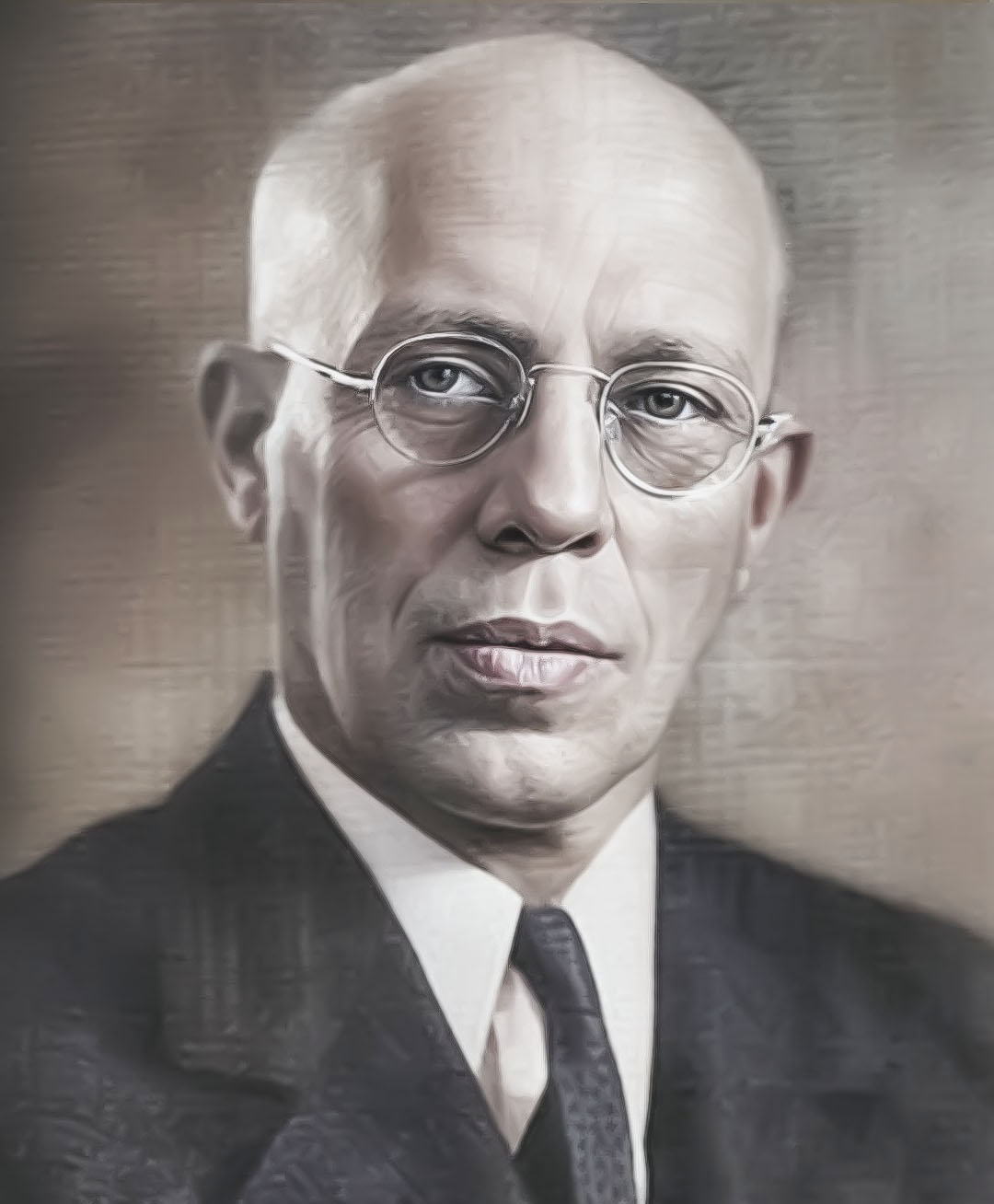
M. L. Andreasen (1876–1962)
Herbert E. Douglass (1927–2014) The most prominent intellectual champion of LGT in the mid-to-late 20th century. As an author and associate editor of the Adventist Review, Douglass formalized the “Harvest Principle.” He argued that God is waiting for a mature harvest—meaning Christ literally cannot return until His character is perfectly and flawlessly reproduced in the final generation of His church.
Dennis Priebe A former college Bible teacher who has spent decades as a prominent seminar speaker. Priebe is a strict defender of the Andreasen/Douglass framework. His entire ministry is built around the core LGT premise: that righteousness by faith means the literal, complete eradication of all known sin in the believer’s life before the close of probation.
Colin Standish (1933–2018) & Russell Standish (1933–2008) The twin brothers who founded Hartland Institute. While they defended all areas of Historic Adventism, they were deeply tied to LGT. They wrote dozens of books and traveled globally, aggressively preaching that the final generation must achieve absolute character perfection and that the mainstream church was in apostasy for teaching a “compromised” evangelical gospel.
Larry Kirkpatrick An ordained pastor and author of books like Cleanse and Close (2022). He is currently the most active, systematic defender of LGT in the church. Through his pastoral work and portals like GreatControversy.org, he explicitly maps out the mechanics of LGT—including the concepts of divine-human cooperation, the unfinished atonement in the sanctuary, and final-generation perfection.
Kevin Paulson A prominent conservative Adventist writer and online apologist. Paulson specializes in an exhaustive, highly analytical defense of LGT against its evangelical Adventist critics. He regularly writes and debates to prove that absolute victory over sin before the Second Coming is the true historic position of the denomination.
Stephen Bohr Director of Secrets Unsealed ministry. While Bohr spends a massive amount of time on generalized Bible prophecy, his underlying theology is deeply anchored in the LGT framework. He places immense emphasis on the mechanics of the investigative judgment and the absolute necessity of flaw-free character perfection for the final 144,000.
Key Arguments Against the Last Generation Theology
Many adventist theologians and authors, such as Jack Sequeira condemned the LGT theology as a counterfeit gospel that completely turns the New Testament upside down. They took aim directly at Ralph Larson, Dennis Priebe, the Standish brothers, W.D. Frazee, and the ministries behind Hope International and Our Firm Foundation magazine. Here are the main arguments used to expose the subtle, dangerous legalism hidden inside LGT:
Making Christ an Example Before He is a Savior
The historic perfectionist camp (Larson, Priebe, etc.) focused almost exclusively on Christ’s post-Fall human nature to prove a point: “Since Jesus had our exact fallen flesh and never sinned, you have no excuse. You must use your willpower to copy His example and stop sinning entirely.”
Although Jack Sequeira himself often admitted that Christ in order to save us legally had to identify himself with our fallen condition, yet he stated that the approach of the proponents of LGT is contaminated with legalism because it turns Jesus predominantly as an example rather than a Redeemer: “If Christ is merely your example before He is your Savior, then He is not saving you at all—He is only showing you how to save yourself. This forces the believer to rely on human effort to match Christ’s performance, leading directly back to the old covenant of works.”
Apostle Paul never preached a gospel where we are saved by copying Jesus. In Paul’s gospel, we are saved because we were corporately joined to Jesus in His death and resurrection. Christ did not come just to show us how to live; He came to legally execute our old fallen nature on the cross and give us His life as a free gift.
Inverting Justification and Sanctification
Our Firm Foundation and historic adventists argued that the final generation must achieve total character perfection to vindicate God and stand through the time of trouble without a Mediator. They taught that while justification covers your past sins, it is your transforming sanctification that ultimately determines whether you pass the Investigative Judgment.
Sequeira countered that this teaching completely perverts the gospel of Paul by making sanctification the root of salvation rather than the fruit. They make our standing before God dependent on our daily performance.
This causes believers to constantly look inward at their own character growth, producing severe spiritual anxiety, pride, or deep despair. Our standing before God is 100% based on the objective, finished work of Christ’s life, death, and resurrection.
Justification is not only a forgiveness for past sins; it is a permanent, life-long legal verdict. Sanctification is the natural consequence of a heart that is already resting in total security.
A Shallow, Superficial Definition of Sin
A deep vulnerability in this theology lies in its localized definition of sin. The perfectionist framework treats sin strictly as an external, conscious act of the will—a behavioral choice to break a known law. To claim that humans must reach absolute, flawless perfection before the Second Coming, historic preachers like Larson and Priebe had to define sin very narrowly. They limited sin strictly to willful, conscious acts of wrongdoing (violating a known law).
Acording to Romans 7, sin is not just bad actions; sin is a deeply ingrained, inherited law of corruption in our very flesh.
The systemic scriptural reality is that sin is a profound state of being, an inherited condition of brokenness, and an underlying alienation from God. While a believer can experience total victory over conscious habits of sin through the power of the Holy Spirit, the fallen physical and mental nature remains inherently corrupted.
True eradication of this underlying sinful state occurs only at glorification during the Second Coming, when mortality is swallowed up by immortality.
Even when a Christian is fully surrendered and not committing willful sins, their fallen human nature still falls infinitely short of the glory of God. Therefore, anyone who claims they have reached a state of absolute, sinless perfection has simply lowered God’s standard of holiness to match their own behavior.
Flawed Translation and the True Definition of Lawlessness
To maintain that human beings must reach a state of flawless behavioral perfection before the Second Coming, traditionalist apologists rely heavily on a restrictive, superficial definition of sin. They frequently isolate texts like First John chapter three and verse four to argue that sin is exclusively the conscious transgression of a known law. However, the original New Testament Greek text uses the phrase he hamartia estin he anomia, which translates directly to sin is lawlessness. The biblical reality is that sin is a deep-seated condition of independence, rebellion, and innate separation from God, rather than a mere checklist of bad behavioral choices. Reducing sin to individual external actions allows the legalistic framework to lower God’s absolute standard of holiness to a level that humans imagine they can flawlessly manage.
Contextual Substitution of Maturity Over Behavior
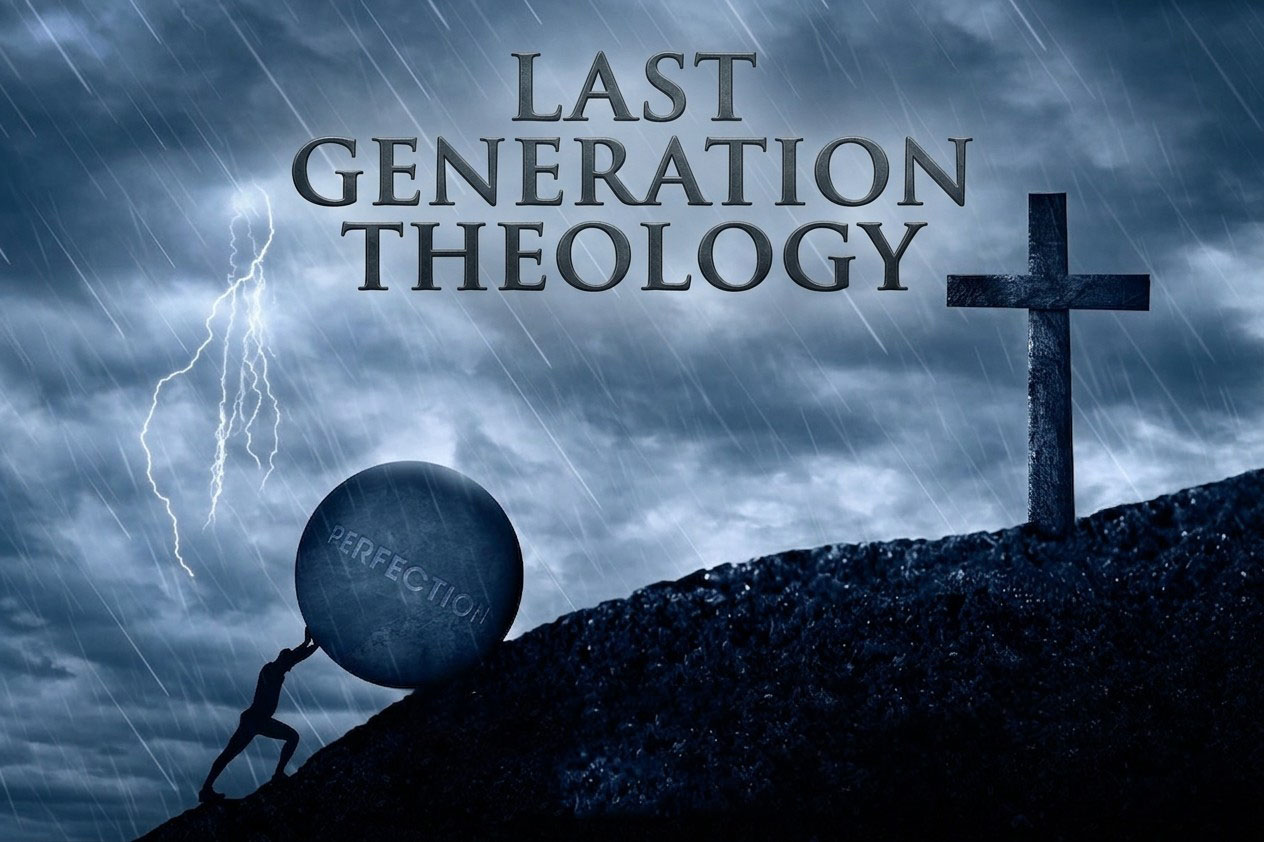
The spiritual anxiety produced by perfectionist theology is deeply rooted in a linguistic misunderstanding of biblical commands. Texts that command believers to be perfect are systematically weaponized to demand absolute, error-free execution of behavior. In the original Greek language of the New Testament, the word translated as perfect is teleios, which signifies spiritual maturity, completeness of heart, and wholeness of purpose rather than mechanical flawlessness. This scriptural reality is explicitly confirmed when comparing parallel gospel accounts, where the command to be perfect in the gospel of Matthew is directly exchanged for the command to be merciful in the gospel of Luke. True biblical perfection is the maturity of divine love reflecting out of a surrendered heart, not an unsinning human performance.
Turning the Last Generation into the Saviors
The ultimate error Sequeira exposed in Last Generation Theology was that it subtly robs Christ of His glory. The Firm Foundation ministries frequently implied that the closing of the Great Controversy depends on us—that Christ cannot return until a perfect group of humans lives flawlessly without a Mediator to prove Satan wrong.
Sequeira fiercely rejected this. He insisted that Jesus Christ alone vindicated the character of God on the cross (Romans 3:25-26). The universe was already convinced of God’s justice at Calvary. The final generation does not save God or finish the plan of salvation; they simply mirror His love to the world out of absolute, resting faith.
Shift from Christ-Centered to Human-Centered Vindication
The structural core of Last Generation Theology relies on the premise that God’s character is on trial in the cosmic conflict, and He cannot end the world or defeat Satan’s accusations until a final generation of humans demonstrates flawless obedience. The most decisive theological counter-argument is that God’s character was already fully, perfectly, and unalterably vindicated before the universe at Calvary. By placing the ultimate resolution of the Great Controversy upon the behavior of frail human beings, the framework inadvertently shifts the focus of salvation from the objective victory of Christ to human performance. This diminishes the all-sufficiency of Christ’s triumph, transforming the gospel from a message of what God has done into a system dependent on what humanity must do.
Linguistic and Contextual Misinterpretation of Perfection
The pastoral anxiety generated by this theology stems from a misunderstanding of biblical language. Passages commanding believers to be perfect are often weaponized to demand absolute, error-free behavioral execution (Whidden, n.d.). However, in original New Testament Greek, the word used for perfect denotes maturity, wholeness of heart, and spiritual growth rather than flawless performance. This is why parallel gospel passages exchange the command for perfection with a command to be merciful, and why Old Testament figures could be called blameless or perfect despite having recorded moral failures. Their hearts were fully surrendered and mature, even while their physical natures remained subject to the limitations of a fallen world.
Mythical Security of a Self-Sufficient Mediatorless State
A final crucial argument refutes the idea that end-time believers must survive entirely on their own spiritual power during the final crisis. The perfectionist view claims that when intercession ends in the heavenly sanctuary, believers stand completely independent of Christ’s merits, meaning a single stray sinful thought would destroy them (Plantak, n.d.; Whidden, n.d.). The biblical response emphasizes that while the application of the atonement for unconfessed sins terminates when the sanctuary closes, the sealed saints are never independent of sustaining grace (Whidden, n.d.). Christ does not abandon His people to their own strength; they remain legally secure, covered by His righteousness, and sustained by His presence until the end (Whidden, n.d.).
Distinction Between Biblical Victory and Legalistic Perfectionism
Exposing the errors of Last Generation Theology does not mean denying the biblical reality of victory over sin, nor does it imply that the final generation—specifically the 144,000—will live in a state of continuous, unchecked transgression. The New Testament is unequivocally clear that victory over the power of sin is not only possible but is the definitive goal of the Christian life.
The Apostle Paul explicitly states in Romans chapter eight and verse thirteen that through the Spirit believers are to put to death the deeds of the body, and in Galatians chapter five and verse twenty-four that those who belong to Christ have crucified the flesh with its passions and desires.
The final generation will indeed reflect the agape love and character of Christ to a dark world through absolute surrender.
However, biblical victory over sin is never the root of our acceptance with God, but exclusively the fruit of a salvation already fully secured at Calvary and accepted with genuine faith. The 144,000 are not saved because their behavioral victory has reached a cosmic, flawless standard that satisfies the law; they are saved because they are hidden “in Christ,” whose perfect life and sacrificial death stand as the all-sufficient legal ticket to heaven. Their practical obedience is the natural, overflowing consequence of a heart resting in total justification, not a desperate human performance designed to close the heavenly sanctuary or buy access to eternity.
Furthermore, the victorious final generation will never harbor the self-righteous delusion that they have achieved absolute, independent sinlessness in their own human performance. Because their spiritual eyes are fully opened to the infinite holiness of God, the 144,000 will be the absolute last people to boast of their own goodness or claim a state of flawlessness outside of Jesus.
As they draw closer to Christ, they become more intensely aware of the corruption of their unchanged, fallen human flesh, causing them to rely even more desperately on the mantle of Christ’s imputed righteousness. They are perfect and sinless exclusively “in Christ,” recognizing that while the Holy Spirit has given them power to suppress the flesh, the underlying law of sin will only be eradicated at the final glorification.
LGT demands that the final generation achieve an absolute sinlessness that belongs solely to the future state of glorification, whereas the Bible promises an experiential victory of faith while still waiting for this vile body to be changed.
Nevertheless, to prevent LGT proponents from claiming they are being misrepresented, a vital distinction must be made regarding their claims. They frequently assert that they do not believe in salvation by human works, nor do they claim to possess independent holiness; they openly attribute all end-time behavioral perfection to the enabling, imparted grace of the Holy Spirit.
However, the biblical theology treats sanctification exclusively as the fruit of a salvation already fully completed and secured at Calvary. In sharp contrast, the perfectionist system takes this Christ-empowered transformation and turns it into a necessity to finalize the atonement and legally settle the Great Controversy.
While a Christ-centered theology views the experiential victories of the one hundred and forty-four thousand as evidence of a triumph already legally won by Jesus, the LGT model transforms them into functional co-saviors whose flawless execution must vindicate the character of God before the universe. It leaves the believer dependent on a replicated copy of Christ’s life within themselves, rather than allowing them to rest entirely upon the perfection and death they already have in Christ.
The Illusion of Absolute Sinlessness in Fallen Flesh
Based on the theological presentations of Prof. Walter Veith—specifically his structured evaluations of Christian perfection and his analysis of the final generation—his arguments cut straight to the core of the perfectionist debate. While Veith is a staunch defender of traditional Adventist eschatology, he establishes an explicit, firm boundary that differentiates biblical sanctification from the errors of Last Generation Theology (LGT).
In his presentations on human nature, Veith directly counters the LGT premise that a human being can reach a state of completely flawless, conscious sinlessness where they no longer possess any spiritual lack. He routinely relies on the writings of Ellen White to emphasize that while the Holy Spirit grants power to conquer known, willful behavior, the underlying structural corruption of the flesh is never eradicated before the Second Coming.
Veith highlights that anyone who stands up and boasts of their own absolute sinlessness or claims to have fully attained a point of flawless character is suffering from self-blindness. The closer a Christian truly comes to Jesus, the more flawed and imperfect they will appear in their own eyes because they are beholding an infinite standard of divine purity. Therefore, claiming absolute operational perfection undercuts the very humility that characterizes the true end-time remnant.
Key Ellen White Quotes Often Used Against LGT
“We cannot say, ‘I am sinless,’ till this vile body is changed and fashioned like unto His glorious body.” — Signs of the Times, March 23, 1888; Selected Messages, Book 3, p. 355
“Those who claim to be sinless, and make their boast of sanctification, are self-confident, and do not realize their peril.” — The Youth’s Instructor, February 27, 1896
“There are many, especially among those who profess holiness, who compare themselves to Christ, as though they were equal with Him in perfection of character. This is blasphemy.” — Review and Herald, June 5, 1888
“As long as Satan reigns, we shall have self to subdue, besetting sins to overcome; so long as life shall last, there will be no stopping place, no point where we can reach and say, I have fully attained.” — The Acts of the Apostles, pp. 560–561
“Repentance is a daily, continuous exercise.” — Manuscript 87, 1897
“The more near you come to Jesus, and the more clearly you discern the purity of His character, the more clearly you will discern the exceeding sinfulness of sin and the less you will feel like exalting yourself.” — Steps to Christ, p. 64
“No one who claims holiness is really holy. Those who are registered as holy in the books of heaven are not aware of the fact, and are the last ones to boast of their own goodness.” — Faith and Works, p. 140
“We shall often have to bow down and weep at the feet of Jesus because of our shortcomings and mistakes.” — Christ’s Object Lessons, p. 159
Atonement Not Finished at the Cross?
Proponents of LGT view the plan of salvation through the literal blueprint of the Old Testament Levitical sanctuary system. They argue that salvation is a multi-phase legal process rather than a single event.
Dual Structure of the Sanctuary Ritual
In the earthly sanctuary, the ritual for solving sin was divided into two distinct parts: the daily sacrifices in the courtyard and the yearly cleansing in the Most Holy Place on the Day of Atonement. LGT proponents point out that the death of the animal at the altar did not complete the ritual; it merely provided the blood. The high priest then had to take that blood into the sanctuary to perform the actual work of mediation and cleansing. Applying this typologically, LGT argues that Calvary was the altar of sacrifice where Jesus died as the victim, which completed the sacrificial provision. However, the high-priestly work of applying that sacrifice and blotting out the records of sin in the heavenly sanctuary did not begin until later, meaning the total process of atonement remains open and active.
The Triple-Phase Atonement Framework
The foundational architecture of LGT divides the atonement into three essential historical phases. Phase one was Christ’s perfectly sinless life, proving that God’s law could be kept in human flesh. Phase two was His death on the cross, where He finished His work as the victim and sacrifice. Phase three is the final atonement taking place in the heavenly sanctuary and in the church below. In this final phase, Christ demonstrates that human beings can do exactly what He did, using divine grace to completely eradicate and destroy sin from their practical lives. Because this third phase is currently in progress and the cosmic accusations of Satan have not been fully refuted, LGT claims the total work of atonement cannot be called finished.
Explaining Ellen White’s “Finished Atonement” Statements
Ellen White wrote explicitly and repeatedly that a “perfect,” “complete,” and “final” atonement was made at Calvary. To reconcile these statements with their theology without rejecting her authority, LGT proponents rely on semantic distinctions and a dual-use vocabulary.
The Sacrificial Offering vs. The Final Application
The primary explanation used by LGT proponents is that when Ellen White states the atonement was finished at the cross, she is referring exclusively to the sacrificial offering and the legal provision for salvation. They argue she means that the price for redemption was paid in full, that the sacrifice was all-sufficient, and that no other sacrifice will ever be needed. However, they contend this does not mean the process of atonement is complete. They draw a line between the objective provision made on the cross and the final application of that provision in the heavenly sanctuary, arguing that the term “atonement” can describe both the death of the victim and the subsequent work of the priest.
Contextualizing the “Final Atonement” Quotes
To justify this dual definition, LGT proponents point to an entirely different set of statements where Ellen White uses the exact phrase “final atonement” to describe end-time events. For example, she wrote in Patriarchs and Prophets that the blood of Christ releases the repentant sinner from condemnation but does not cancel the sin, which stands on record in the sanctuary until the “final atonement.” They also emphasize her descriptions in The Great Controversy of Christ entering the Most Holy Place to make a “final atonement” and a “special work of purification” at the close of probation. By pairing these statements, LGT proponents argue that Ellen White herself taught a dual atonement: a perfect sacrificial atonement at the cross, followed by a final administrative atonement in heaven that completely blots out the record and presence of sin from the universe.
Atonement Complete Or Not Complete?
In both, the Bible and SOP writings, we can find two groups of statements that seem to contradict each other. Texts from one group state that the atonement was complete while the texts from the other group suggest it wasn’t complete. The solution to this problem lies in the fact that those two groups of statements appear as if they contradict each other only because they deal with different aspects of Christ’s atoning ministry. The word “atonement” (or reconciliation) in those two groups of statements refers to different aspects of salvation from sin. Similarly, the Word of God uses three different tenses (past, present and future) concerning our salvation. It states that believers are already saved or were saved in the past tense, it says they are being now saved in the present continuous tense, and it also states they will be saved in the future. Does it prove the Bible contradicts itself? No, because these texts refer to different aspects of salvation from sin. We have been already saved (past tense) from punishment and condemnation of sin (justification) because we are in Christ and not under the law but under grace; We are being delivered from the power of sin (from sinning) now in the present continuous tense (which is our continuous process sanctification); And finally, in the future, we will be saved, delivered from the presence of sin (from our sinful nature and the indwelling law of sin and selfishness) at the second coming of Christ (glorification). And it is the same when we deal with the subject of atonement, which is synonymous with salvation from sin, and involves different aspects of the sin problem. Below is one of many examples.
Romans 5:10 “For if when we were enemies, we were reconciled to God through the death of His Son, much more, having been reconciled, we shall be saved by His life (by Christ’s current ministry in the heavenly sanctuary).”
NOTE: We were saved in the past from the condemnation of sin and second death, we are being saved now from the power of sin and from sinning, and in the future will be saved from the presence of sin and sinful nature).
For most Christians, the word “atonement” means the work of Christ on the cross. For most Adventists, the word atonement means two things: the atonement of the cross, and the final atonement. The atonement of the cross refers to the fact that at the cross “God was in Christ reconciling (atoning) the world to Himself” (2Cor 5:19). It means that at the cross God actually saved all sinners (the entire world) in Jesus from condemnation, and therefore, in this sense, the atonement was finished at the cross. That is why Lord Jesus cried out, “it is finished”. However, this salvation (atonement) is not automatically enforced upon anyone, because it is a gift and as it is with any gift, in order to enjoy it and make this salvation effective, it must be accepted with true faith which makes such believer spiritually alive (born from the Spirit).
On the other hand, the atonement that was accomplished at the cross didn’t completely solve the problem of the power of sin and the believer’s slavery to sin, and the still ongoing presence of the sinful nature (including the “law of sin”) in the believers. The cross didn’t also solve the issue of responsibility for introducing sin in the perfect and holy universe and previously sinless planet Earth, and responsibility for leading born-again Christians to sin. It is the final atonement that is going to deal with these aspects of sin. And that is the very reason why both the Bible as well as Spirit of Prophecy (Ellen White) clearly suggest that the atonement in this sense is not complete yet.
The final atonement refers to the time when God will clean us and the entire universe from every aspect, effect, and trace of sin, bringing the entire universe into perfect harmony as it was before sin appeared. Since Jesus’ death on the cross did not bring the universe into perfect harmony, we can say that in a sense the atonement is not complete, and therefore, the same Savior continues His atoning work now in the most holy place of the heavenly sanctuary until it is finished in due time.
However, speaking of the atonement in the sense of salvation from the condemnation and punishment for sin (from eternal death) which brings the sinner assurance of salvation, it is perfect, fully complete, and nothing can be added to it. The only thing we can do is to make sure we are born from the Spirit (spiritually alive) by accepting Christ’s cross and righteousness as our only ticket to heaven by true faith, and according to the Bible, we also must maintain true faith till the end.
Conflating Legal Justification With the Eradication of the Flesh
The provided above argument about atonement exposes the structural fallacies of Last Generation Theology by demonstrating that it conflates distinct phases of salvation, resulting in a dangerous distortion of the gospel. It means LGT takes two entirely separate parts of salvation—Justification (our complete, finished legal standing of forgiveness at the cross) and Glorification (getting a brand-new, sinless nature when Jesus returns)—and mashes them together.
By blending them, LGT mistakenly demands that a believer must achieve a completely sinless, glorified nature right now through sheer behavior, rather than resting in the finished legal victory that Jesus already won for them at Calvary.
The primary error of LGT is its failure to recognize the distinct tenses of biblical salvation. Salvation operates in three strict phases: a past tense deliverance from the condemnation of sin (justification), a present continuous deliverance from the power of sin (sanctification), and a future deliverance from the presence of sin and the underlying sinful nature (glorification).
LGT falsely demands that the future phase—the absolute eradication of the indwelling “law of sin” and the fallen human nature—must be fully attained by human willpower and grace before the Second Coming. By demanding glorification-level sinlessness during the phase of sanctification, LGT creates an unscriptural standard that ignores our continued inheritance of a fallen nature until Christ returns.
Denying the Finished Legal Ticket to Heaven
The atonement that brings a sinners their absolute assurance of salvation and delivers them from eternal death was perfect, fully complete, and finished at Calvary. Nothing can be added to this completed work, and a believer’s only “ticket to heaven” is accepting Christ’s cross and righteousness by true faith.
LGT contradicts this by teaching that the atonement was left legally incomplete at the cross, effectively making entry into heaven contingent on the final generation’s flawless behavioral performance. This strips away the objective assurance of the believer, replacing a finished gift with a legalistic system of human achievement.
Misunderstanding the True Purpose of the Final Atonement
LGT claims that the final atonement in the heavenly sanctuary depends on humans living flawlessly to vindicate God and finish the plan of salvation. But the truth is that the unfinished aspect of the atonement has nothing to do with humans proving they can be sinless. Instead, the final atonement is an administrative work performed exclusively by Christ in the Most Holy Place. Its purpose is to deal with things the cross did not immediately dismantle: resolving cosmic responsibility for the origins of rebellion and sin, cleansing the universe of the historic effects of evil, and removing the records of sin by placing them on the head of azazel. By turning a cosmic, Christ-centered cleansing process into a human-centered performance test, LGT assigns a role to humanity that belongs solely to the heavenly High Priest.